
You don’t hear much about salves until you start shopping for a cannabis topical. Then suddenly they’re everywhere, alongside balms, creams, gels, and ointments that seem to promise much the same thing.
If you’ve always used a cream, a salve can look a little old-fashioned. It usually comes in a jar, feels thicker, and takes more effort to spread. That might sound like a reason to pass it over. For some people, though, those are exactly the qualities they want.
When you’re looking for a CBD salve for pain, it helps to understand why someone would choose that heavier formula. There’s more to the decision than finding the largest CBD number or the product with the most enthusiastic reviews.

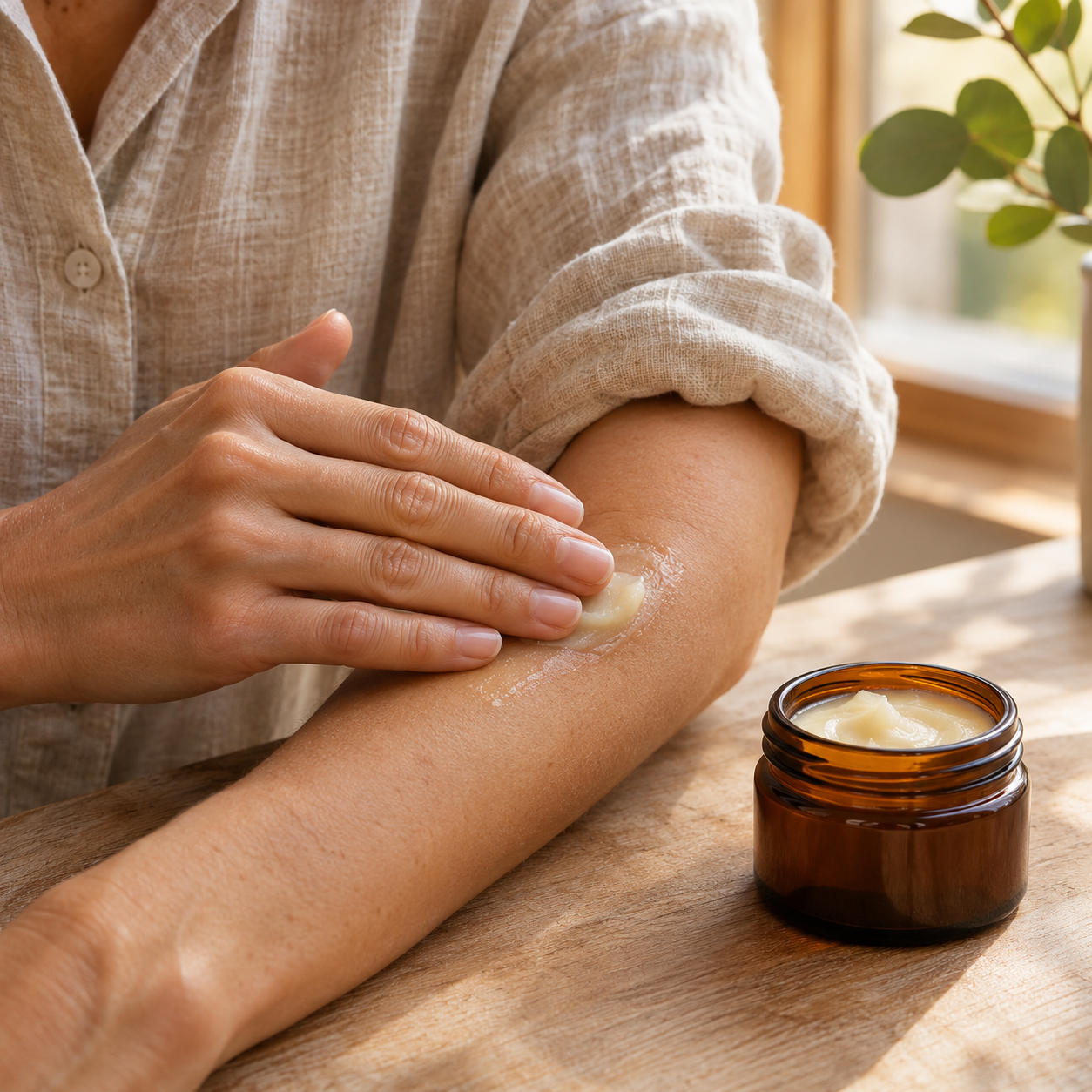
What Is a CBD Salve?
A salve is generally an oil-and-wax preparation that you apply to the skin. Creams commonly contain water and oils blended together, which gives them a different consistency. There’s some variation between brands, so read the description rather than expecting every salve to feel alike.
You’ll usually notice the difference as soon as you open the container. A cream may scoop easily or come out of a pump. A salve is often firmer, and a small amount softens as you work it between your fingers and massage it onto your skin.
That heavier feel is part of the appeal. Some people like having a product they can work slowly over a particular area without it immediately disappearing. Others find the remaining film bothersome, especially under clothing. If you know you dislike rich body balms, a CBD version may not change your mind.
The format doesn’t establish whether a product will relieve your pain. It tells you something about how the product is made and what applying it might be like.
Why Choose It Over a Cream?
Imagine applying a topical to your hands before answering emails, then compare that with using one on your knees while sitting at home in the evening. Those are different situations, even if the ingredients interest you equally.
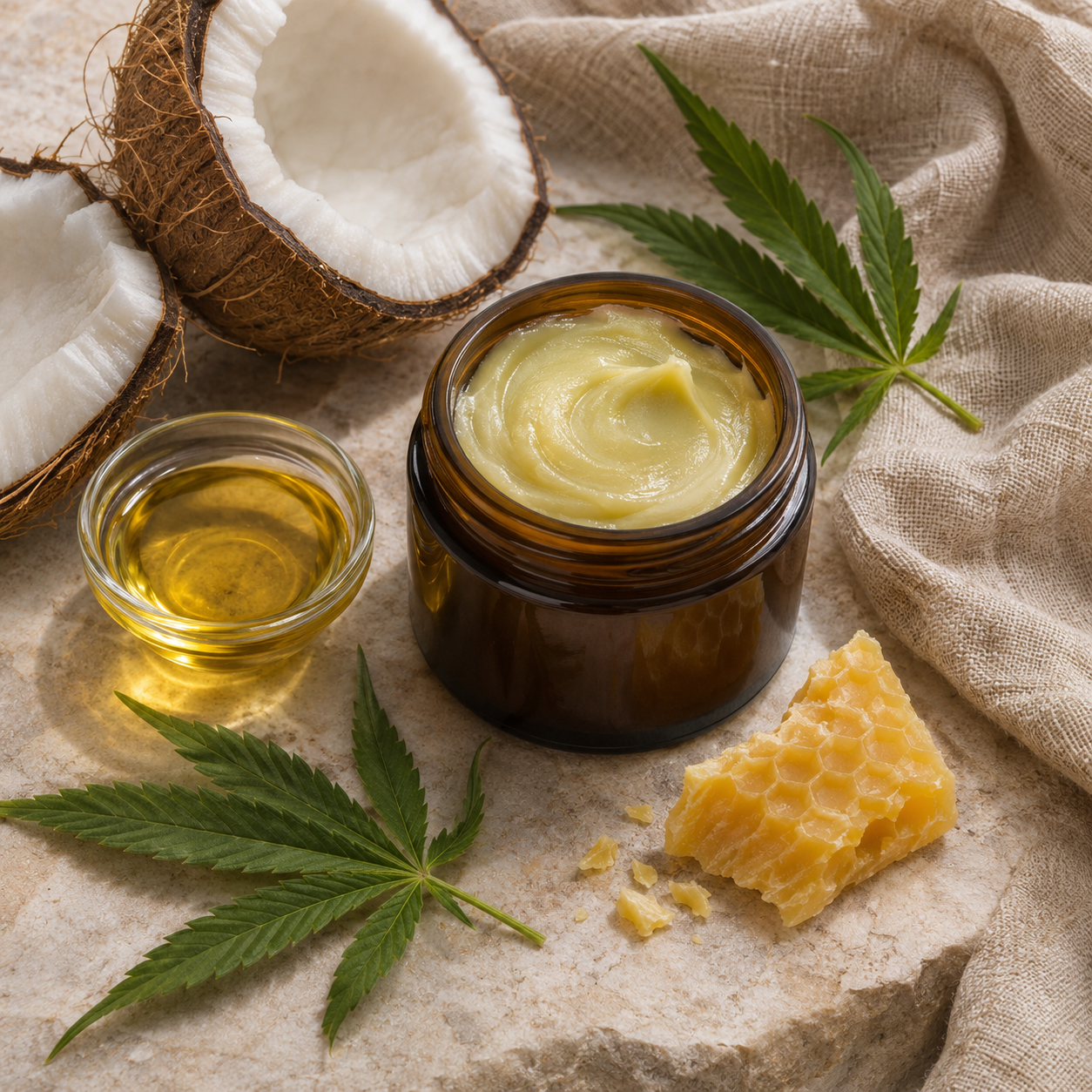
For your hands during the day, you might want something that absorbs quickly. Before bed, you may be happy with a richer product and a few extra minutes to massage it in. Neither preference needs much explanation once you’ve tried both.
A salve can also appeal to someone who already enjoys oil-based body products. If you’re accustomed to a balm’s consistency, a lotion may feel too thin for your liking. On the other hand, spreading a firm salve over a large area can take patience. A cream may be easier for that job.
Think about where you’ll use it and what you’ll be doing afterward. You’ll learn more from that than from whether the jar calls itself a salve, balm, or ointment.
Some Salves Are Much More Concentrated Than Others
Choosing a salve doesn’t automatically mean choosing a high-strength product. There are lower-concentration options as well as formulas made for people who specifically want considerably more CBD.
One example at the upper end is the Quiet Monk CBD salve, which contains 50,000mg CBD and 5,000mg CBG in a four-ounce jar. It has a thick oil-and-wax base and comes in Regular and Cooling Ice versions.
That’s a concentrated formula, and the company itself says most people won’t need a salve that strong. It’s worth keeping that in mind if you’re trying a CBD topical for the first time. You don’t have to begin with the highest concentration available.
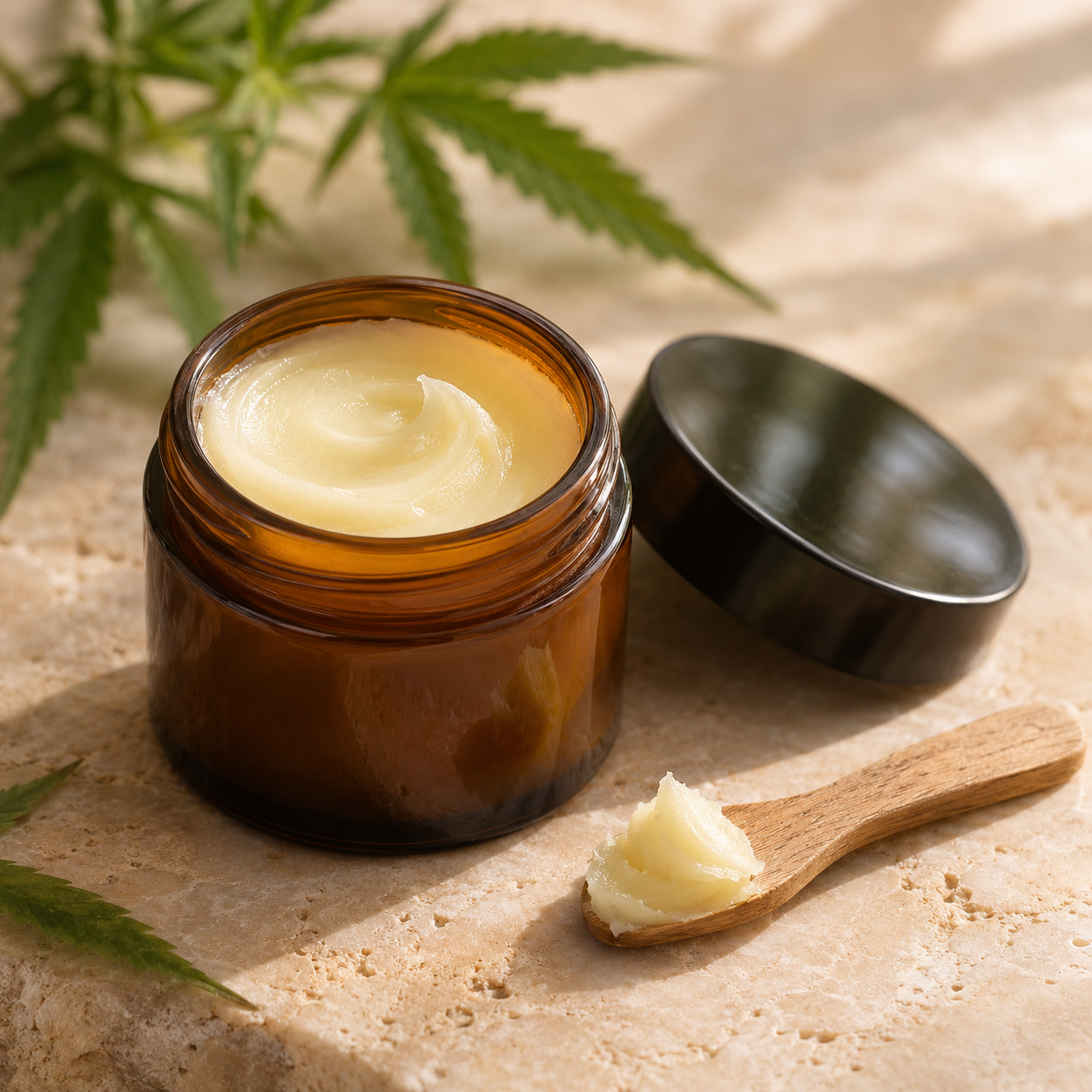
For someone who already uses topicals and deliberately wants to compare stronger options, the separate CBD and CBG amounts make the formula clear. But a larger cannabinoid amount doesn’t guarantee a better result, and the amount present in the salve isn’t a measurement of how much your skin absorbs.
You can compare concentration without turning the whole purchase into a numbers exercise. Establish what’s in the jar, then return to the question of whether you want to use that particular product.
Don’t Buy the Cooling Version by Accident
When a product offers Regular and Cooling options, take a moment to choose. It’s easy to concentrate on the strength and overlook the formula selection.
Cooling salves commonly contain menthol. Some people enjoy that sensation and actively look for it; others would rather avoid it. If you’re buying for someone else, ask before assuming they want the cooling version.
A stronger cooling feeling doesn’t tell you that a topical contains more CBD. The cannabinoid content and the ingredients responsible for the sensation are separate details. Two versions can have the same CBD amount while feeling noticeably different on the skin.
Also, “Regular” doesn’t necessarily mean fragrance-free or suitable for every skin type. Check the complete ingredients for the exact version you’re ordering, particularly if you’ve reacted to a topical before.
A Little Planning Makes a Salve Less Messy
The first time you use a firm salve, it’s tempting to scoop out the same amount you would use of a lighter cream. Start with the amount directed on the label instead. You can spread a modest amount over the intended area without immediately covering yourself in a heavy layer.
Use clean, dry hands or a clean applicator, and close the jar when you’re finished. Give the product time to settle before pulling clothing over it. Oil-based products can leave marks on fabric, so take care with clothes and bedding.
If you’re applying it to your feet, be especially careful before standing on a smooth floor. What feels comfortable while you’re sitting down can be slippery when you get up.
Keep the container somewhere that follows the manufacturer’s storage instructions. Leaving it in a hot car is a poor idea; heat can soften an oil-and-wax formula and leave you with a mess around the lid. A firmly closed jar stored appropriately is much easier to deal with next time.
What About the Pain Part?
People often arrive at these products because something hurts. There’s nothing unusual about wanting another option, particularly if you’ve already tried several topicals. But “CBD salve for pain” is a shopping phrase, not proof that a particular jar treats the cause of your symptoms.
A familiar ache after activity and unexplained pain that keeps waking you up deserve different attention. If pain is persistent, worsening, or follows an injury, get appropriate advice rather than repeatedly changing products.
Over-the-counter CBD topicals haven’t been evaluated by the FDA as treatments for particular diseases. Customer reviews can describe someone’s experience, but they can’t establish what the product will do for you.
Follow the label, try a small area first, and keep the salve away from eyes and broken or irritated skin. Stop using it if it causes irritation. If you have reduced sensation or a medical condition affecting the area, ask your clinician about the specific formula before trying it.
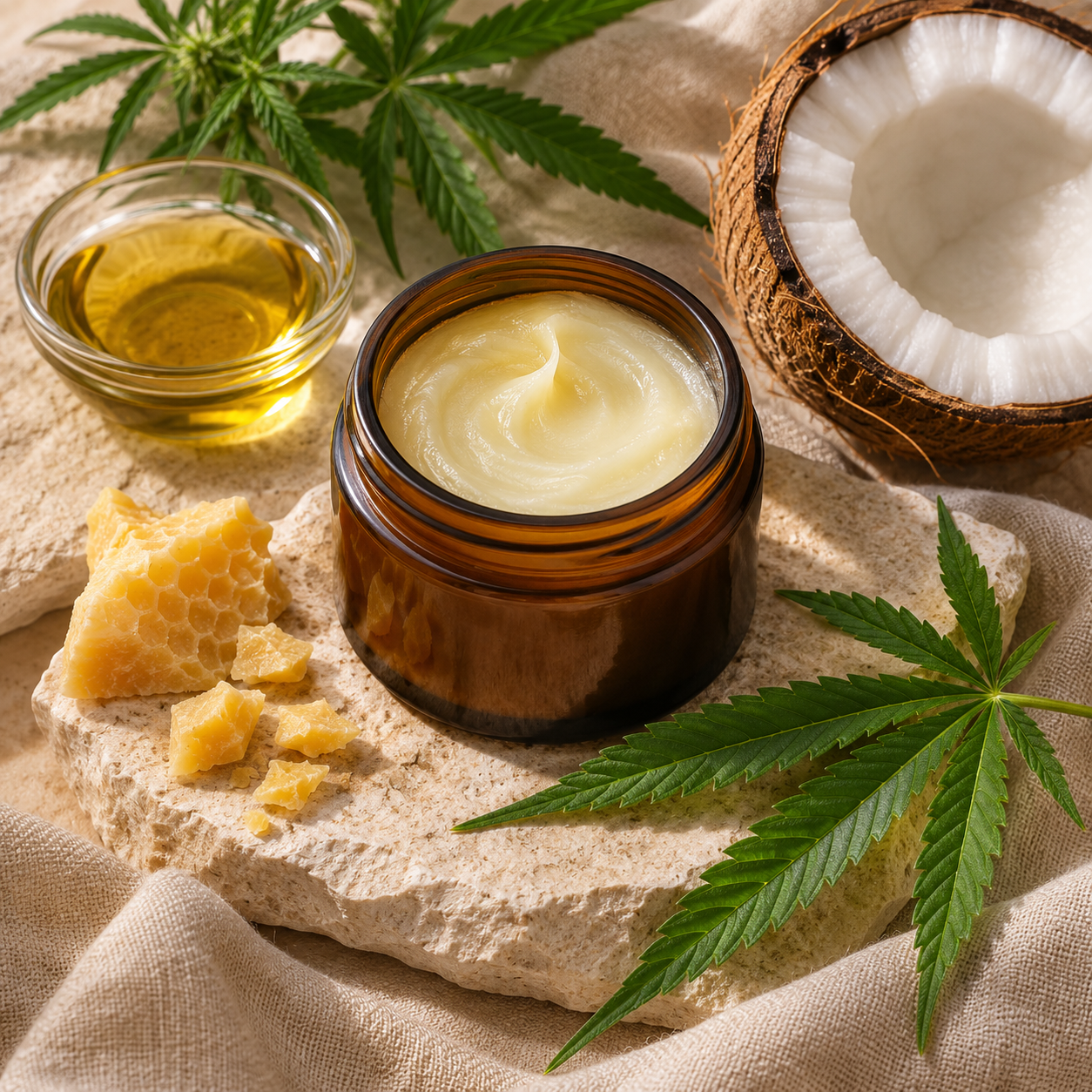
Would You Buy the Same Jar Again?
That’s a useful question after you’ve used any topical for a while. Did you like applying it? Was the consistency right for you? Did the scent bother you? Was it convenient enough that you actually reached for it?
If you liked the formula but wanted a different concentration, you have a fairly clear idea of what to compare next. If you disliked the heavy feel, buying a stronger salve probably won’t solve that problem. Try something different. If it was a cream, try a gel. If it was a gel try a salve.
There’s room for both creams and salves in the cannabis topical market because people use them differently. You might prefer cream during the day and a salve at home, or decide one format suits you well enough on its own.
You don’t need to be loyal to a particular type of jar. Choose something you understand, can use comfortably, and have sensible expectations about. That’s a better starting point than buying a salve simply because someone told you it was stronger than cream.
You must be logged in to post a comment.