
What’s New in Cannabis Genetics?
Cannabis genetics are becoming one of the most important topics in the modern cannabis market. Consumers are no longer looking only at THC percentage or simple indica and sativa labels. They are paying more attention to flavor, aroma, terpene profiles, cannabinoid potential, consistency, brand reputation, and how clearly a strain is described.
As consumers compare modern cannabis genetics, brands such as Fast Buds may appear in conversations about flavor-forward strains, autoflowering varieties, and new-generation cannabis seed categories. But the larger trend goes beyond any single brand. Cannabis genetics are shaping how people understand quality, how they compare strains, and how they decide which products match their preferences.

Today, the most successful cannabis strains are not only strong. They are recognizable, flavorful, consistent, and easy for consumers to understand. Below are the top cannabis genetics trends shaping quality, flavor, and consumer choice.

Trend 1: Flavor-Forward Genetics
One of the biggest trends in cannabis genetics is the rise of flavor-forward strains. Modern consumers want cannabis that has a clear and memorable flavor identity. A strain may stand out because it tastes citrusy, fruity, creamy, gassy, earthy, sweet, or dessert-like.
Flavor matters because it makes a strain easier to remember. A consumer may not always remember a complex genetic background, but they may remember that a strain had a strong lemon aroma, a candy-like sweetness, or a bold diesel profile.
This is why breeders and genetics brands increasingly focus on strains with distinctive flavor directions. In a crowded market, a clear flavor profile helps a strain become more recognizable and easier to discuss.
Popular flavor directions include:
- Citrus
- Berry
- Tropical fruit
- Candy
- Dessert
- Gas
- Earthy
- Pine
- Cream
- Spice
A strain with a strong flavor identity is easier for consumers to recognize, remember, and compare.
Trend 2: Terpene-Focused Strain Selection
Terpenes have become a major part of how consumers understand cannabis. These natural aromatic compounds help shape the smell and flavor of a strain. They are found not only in cannabis, but also in fruits, herbs, flowers, and other plants.
Consumers are increasingly interested in terpene profiles because they provide more detail than simple strain names. Instead of choosing a strain only because it is labeled indica, sativa, or hybrid, people now look at whether it has citrus, pine, pepper, herbal, floral, or fruit-forward notes.
Common terpene directions include:
- Limonene: citrus-style aroma
- Myrcene: earthy or herbal notes
- Pinene: pine-like aroma
- Caryophyllene: pepper or spice notes
For more cannabis education, USAWeed has a helpful guide to limonene and terpenes that explains how aroma and flavor can shape the way people talk about strains.
Responsible cannabis content should avoid making medical claims about terpenes. The best approach is to explain how terpenes contribute to aroma, flavor, and strain identity.
Trend 3: Better Autoflowering Genetics
Autoflowering genetics have become part of the modern quality conversation. In the past, some consumers viewed autoflowering strains as basic or less developed than traditional photoperiod strains. Today, however that perception has changed.
Modern autoflowering strains are often discussed for their flavor, aroma, terpene expression, cannabinoid potential, and clear strain identity. They are no longer seen only as a convenience category. They are now part of the larger discussion around modern cannabis genetics.
This trend is important because it shows how far cannabis breeding has evolved. Consumers now expect autoflowering strains to offer more than practicality. They want strong flavor profiles, recognizable genetics, and product descriptions that feel complete and trustworthy.
Trend 4: More Stable and Consistent Strain Profiles
Consistency is one of the biggest signs of quality in cannabis genetics. Consumers want a strain to match its description. If a strain is known for sweet citrus flavor, deep gas, or creamy dessert notes, people expect that profile to be recognizable.
Stable genetics help build trust. A strain that delivers a similar flavor, aroma, and general profile over time is easier for consumers to remember and recommend.
Quality is not only about strength. A very potent strain with an unclear or inconsistent profile may not stand out as much as a balanced strain with a strong identity. For many consumers, consistency is what turns a strain from a one-time choice into a favorite.
Trend 5: Dessert, Candy, and Fruit-Inspired Strains
Dessert, candy, and fruit-inspired strains are one of the most visible trends in cannabis genetics. These strains are popular because they are easy to understand and easy to describe.

A strain with notes of cookies, cake, cream, candy, grape, mango, pineapple, strawberry, or tropical fruit gives consumers a clear sensory image. These flavor profiles feel familiar, which makes them more accessible to a wider audience.
Examples of popular flavor directions include:
- Cookies
- Cake
- Cream
- Candy
- Grape
- Mango
- Pineapple
- Strawberry
- Tropical fruit
- Berry
These profiles also work well for branding. A sweet or fruity strain name can be easier to remember than a technical genetic description. That does not mean branding replaces quality, but it shows how flavor and genetics work together to shape consumer interest.
Trend 6: Consumer Education Around Genetics
Modern cannabis consumers are becoming more informed. They are learning to read strain descriptions more carefully and compare products based on more than one factor.
Instead of looking only at THC percentage, many consumers now check:
- Parent strains
- Genetic background
- Terpene notes
- Flavor profile
- Cannabinoid information
- Indica, sativa, or hybrid positioning
- Brand reputation
- Product disclaimers
This trend is important because it makes the market more mature. Consumers want a complete profile, not just a strain name. They want to know why a strain is different, what it is known for, and whether the description sounds realistic.
Better consumer education also encourages brands to be more transparent. Clear descriptions, responsible language, and accurate labeling help consumers make better decisions.
Trend 7: Hybrid Genetics and Balanced Experiences
Hybrid genetics continue to shape the cannabis market. Many modern strains are not purely indica or purely sativa. Instead, they combine traits from different genetic backgrounds.
Consumers often like hybrids because they can offer a more balanced profile. A hybrid strain may combine fruit-forward flavor with earthy depth, or dessert-like sweetness with gassy intensity. This gives breeders more room to create complex and memorable strain identities.
When discussing hybrid genetics, it is important to use careful language around effects. A strain can be described as “commonly associated with” or “often marketed as” having a certain profile, but responsible content should avoid promising guaranteed outcomes.
Hybrid genetics show that simple labels are no longer enough. Consumers increasingly want to understand the full profile of a strain, including flavor, aroma, terpene direction, cannabinoid potential, and genetic background.

Trend 8: Premium Genetics and Brand Reputation
Brand reputation has become more important as the cannabis market grows. Consumers want genetics they can understand and trust. In a crowded market, a recognizable breeder or genetics brand can help reduce uncertainty.
Premium genetics are often associated with:
- Clear strain descriptions
- Stable traits
- Recognizable flavor profiles
- Transparent branding
- Consistent quality
- Original strain identity
This does not mean consumers should trust a brand name blindly. But it does mean reputation plays a role in how people compare options. A brand that consistently provides clear information and recognizable genetics is more likely to build consumer trust.
In modern cannabis, quality is not only about the final product. It is also about how clearly the genetics are explained and how consistently the strain identity is maintained.
Trend 9: Cannabinoid Diversity Beyond THC
THC still matters to many cannabis consumers, but it is no longer the only point of focus. More people are paying attention to the full cannabinoid profile.
CBD, minor cannabinoids, and cannabinoid ratios are becoming more important in consumer education. Some consumers want high-THC strains, while others are interested in more balanced profiles or products that include different cannabinoids.
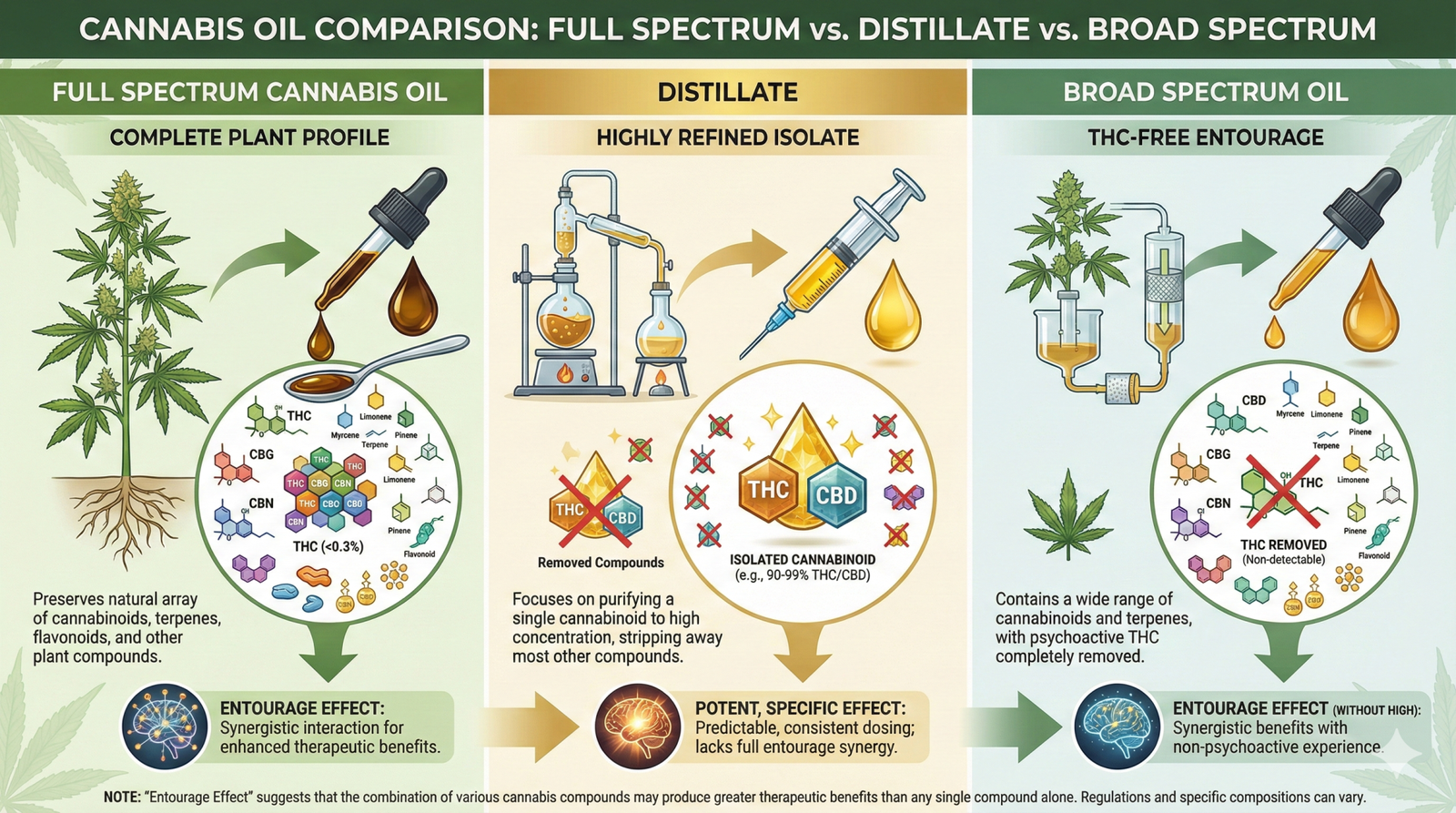
This trend shows that the future of cannabis genetics is not only about stronger strains. It is also about more diverse and better-defined profiles.
A strain’s quality should not be judged only by potency. Flavor, aroma, terpene identity, cannabinoid balance, and consistency all contribute to how consumers understand value.
Trend 10: Responsible Labeling and Compliance
As cannabis genetics become more sophisticated, responsible labeling becomes more important. Consumers need clear information, but they also need realistic expectations.
Responsible labeling should avoid:
- Unrealistic effect claims
- Medical promises
- Vague strain descriptions
- Claims that ignore local laws
- Unclear shipping or availability language
Better labeling should include clear descriptions of genetics, flavor, aroma, cannabinoid information, and legal disclaimers where needed.
Compliance is especially important for cannabis seeds and cannabis products because laws vary by country, state, and local jurisdiction. Rules may differ for seeds, plants, flower, extracts, and finished products.
As the market matures, responsible brands will need to focus not only on strong genetics, but also on transparency and legal awareness.
How These Trends Shape Consumer Choice
Together, these trends show that cannabis consumers are becoming more selective. They are not choosing strains based on one number or one label. They are looking at the full profile.
Flavor helps make a strain memorable. Terpenes help explain aroma and sensory identity. Genetics influence consistency and quality. Cannabinoids shape product positioning. Brand reputation builds trust. Compliance affects availability and responsible communication.
This means that successful cannabis genetics must do several things at once. They need to be flavorful, clearly described, consistent, recognizable, and aligned with consumer expectations.
Modern consumers want to understand what makes a strain different. The more complete and transparent the profile, the easier it is for consumers to make informed choices.
Legal and Responsible Consumer Reminder
Cannabis laws vary by country, state, and local jurisdiction. Consumers should always check local rules before buying, possessing, or using cannabis seeds or cannabis products.
It is also important to remember that laws may differ depending on the product type. Seeds, plants, flower, extracts, and finished cannabis products may be regulated differently.

Shipping rules can also vary. The fact that cannabis-related content is available online does not mean every product is legal in every location.
Educational content about cannabis genetics does not replace legal advice. Consumers should rely on official sources or qualified professionals when legal questions are unclear.
Genetics Are Shaping the Future of Cannabis
Cannabis genetics are shaping the future of quality, flavor, and consumer choice. The most successful strains are not only potent. They are recognizable, flavorful, consistent, well-described, and trusted by consumers.
Flavor-forward genetics, terpene education, better autoflowering varieties, stable strain profiles, dessert and fruit-inspired flavors, hybrid development, cannabinoid diversity, and responsible labeling are all part of the same shift.
Modern cannabis consumers want more information and better choices. Genetics are at the center of that change.
The strains that stand out in the future will be the ones that combine strong genetic foundations with clear flavor identity, responsible descriptions, consistent quality, and real consumer trust.
Explore safe, tested products and trusted cannabis resources on USAWeed.org before making your next cannabis choice.