
Let’s cover how Online Dispensaries Work
Online dispensaries rely on a mix of internal systems, verification tools, and design choices to decide how information appears and how people move through the site.
Every platform sets up its own version of this framework, which affects everything from how categories are organized to how inventory is displayed. Instead of focusing on specific products, the goal here is to explain the main building blocks behind these sites so users can understand how they function without relying on promotional context.

Key Elements That Shape an Online Weed Dispensary
Homepage layout and overall site architecture
This structural approach is evident across various platforms, including larger marketplaces such as Online Dispensary Get Kush, the homepage is the first signal of how a dispensary organizes its information. Some sites keep things simple with direct, obvious paths to main sections.

Others layer their navigation, requiring a bit more clicking around to get the full picture. Larger marketplaces also lean heavily on structure to help users move through big catalogs. Looking at this element helps gauge how intuitive the first impression will be.
Search bar functionality and filtering tools
A site’s search bar and filters determine how quickly users can zero in on what they want. Keyword searches, category filters, sorting tools, and tag systems all influence how efficiently a visitor can move through the menu. Clear, responsive filters show that the platform puts effort into keeping the browsing experience organized.
Sorting options for browsing
Sorting tools let users rearrange product listings based on criteria like name, price, category, or availability. Good sorting options keep menus from feeling overwhelming. Evaluating this piece is as simple as checking if the options are flexible, easy to understand, and consistent across different categories.
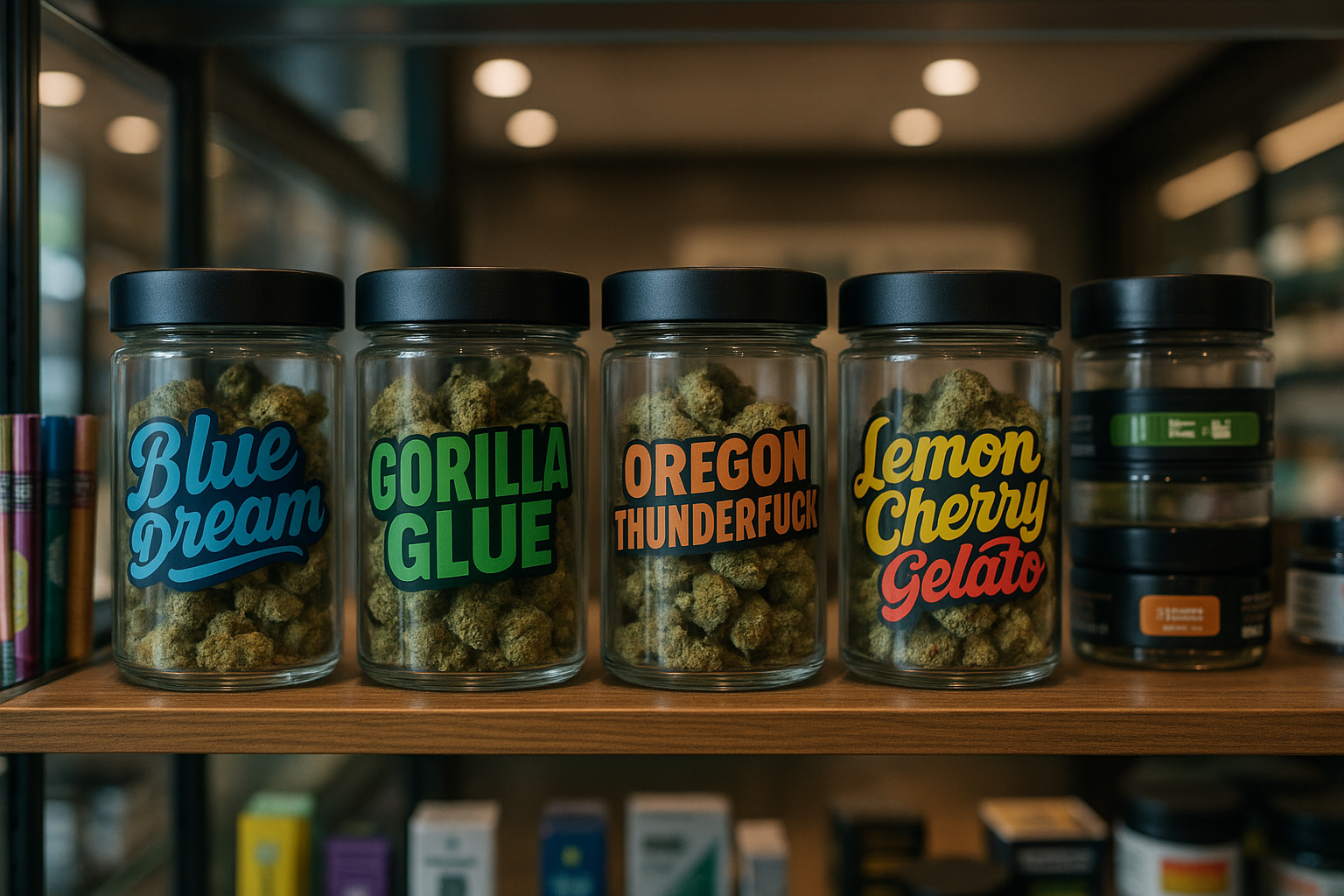
Visual presentation of listings
Images, spacing, typography, and layout choices all impact readability. Some dispensaries use grid layouts for quick scanning, while others stick to list formats for detailed browsing. The key factor is consistency. A clean, evenly formatted menu helps users absorb information without feeling lost in clutter.
Menu organization for strains, accessories, and educational pages
Category structure is one of the biggest indicators of how thoughtfully a dispensary is built. Clear section labels, logical grouping, and well-organized submenus make the entire site easier to navigate. Some platforms break categories into very specific segments, while others keep things high-level. Either approach works as long as the system is predictable and coherent.
Availability indicators and real-time updates
Stock status labels help users understand what’s ready to buy, what’s limited, and what’s out of stock. Some platforms update this information automatically, while others refresh periodically. The more accurate and visible these indicators are, the more transparent the browsing experience feels.
Legal disclaimers and regulatory notices
Disclaimers and regulatory information usually appear in the footer, on policy pages, in header banners, or in pop-ups. Where these notices live affects how clearly users understand the rules, the verification process, and the boundaries of purchasing. Consistent placement and readable language show the site takes compliance seriously.
User flow from browsing to checkout
The steps between landing on the site and completing checkout say a lot about usability. Smooth transitions, clear buttons, predictable page sequences, and minimal friction help users stay oriented. Some dispensaries streamline this process, while others introduce extra confirmation steps or ID checks that add structure but also add time.

Customer support access and communication channels
Support tools like chat windows, email forms, help centers, or phone lines play a structural role, too. Visibility, response times, and how clearly support options are presented all influence how confidently users can navigate the site. When support is easy to find, the platform tends to feel more reliable overall.
Closing Thoughts
Understanding how an online weed dispensary works is easier when the focus stays on the framework instead of the products themselves. Elements like layout, filters, menu structure, visual consistency, compliance notices, and support access all work together to create a coherent user experience. Paying attention to these pieces makes it simpler to evaluate any platform based on clarity, transparency, and usability rather than marketing language.