
Lately, getting things brought right to your door has changed shopping forever. Instead of walking into stores, folks now grab food, medicine, and even cleaning supplies without leaving home. Alongside that change, something else moved online… cannabis did. Where rules allow, buying it this way is catching on fast. With new policies popping up and routines shifting, delivering cannabis sparks talks everywhere – from fairness in availability to how towns manage business growth.

Changing Consumer Behavior and Access Models
Nowadays, folks expect things fast, easy, and ready online. Because life moves quickly, they choose help that works around them instead of making time for it. That change in habit affects who gets what, especially when stores aren’t nearby.
Far from city centers, getting things delivered matters more. People there usually drive everywhere, face longer trips, yet still juggle jobs and kids. Instead of walking somewhere nearby, they wait for packages to arrive. As a result, delivery services align well with lifestyle needs. References to Weed delivery Brampton Gasdank frequently arise in broader discussions about how cannabis access adapts to these suburban realities rather than remaining concentrated in urban cores.
Cannabis Delivery as Part of a Broader Retail Trend
Out here, cannabis deliveries aren’t some standalone oddity. They fit into a wider shift – retail spreading out, less tied to brick-and-mortar spots. Think about it: banks operate differently now, medicine too, even school stuff moves online. All these things lean on tech backbones, helped along by trucks, drones, bikes getting items where they need to go.
This change leaves rules still necessary, yet shifts focus toward stronger frameworks. Because of this, delivery operations require defined laws to guide them, keeping entry points managed and visible. Like medicine couriers before them, cannabis deliveries follow a path shaped by strict oversight.
Technology and Compliance Infrastructure
Cannabis deliveries run on tech that surprises most people. Behind each order sits checks for ID, payments kept safe, plus updates showing where your package is going. Rules about who can buy and how much are followed because of these tools. Shoppers see what happens at every step, making things clearer without extra noise.
Fresh off fresh insights, rules now lean heavily on digital tools to back up decisions. Instead of paper trails, files stored online track each move – starting when someone places an order, right through delivery. Driven by this shift, oversight in controlled industries increasingly runs on software that watches, logs, and learns.
Mentions of Weed delivery Brampton Gasdank in informational content often highlight how technology enables delivery services to function within legal and operational constraints rather than promoting any specific provider.
Local Economic Contributions
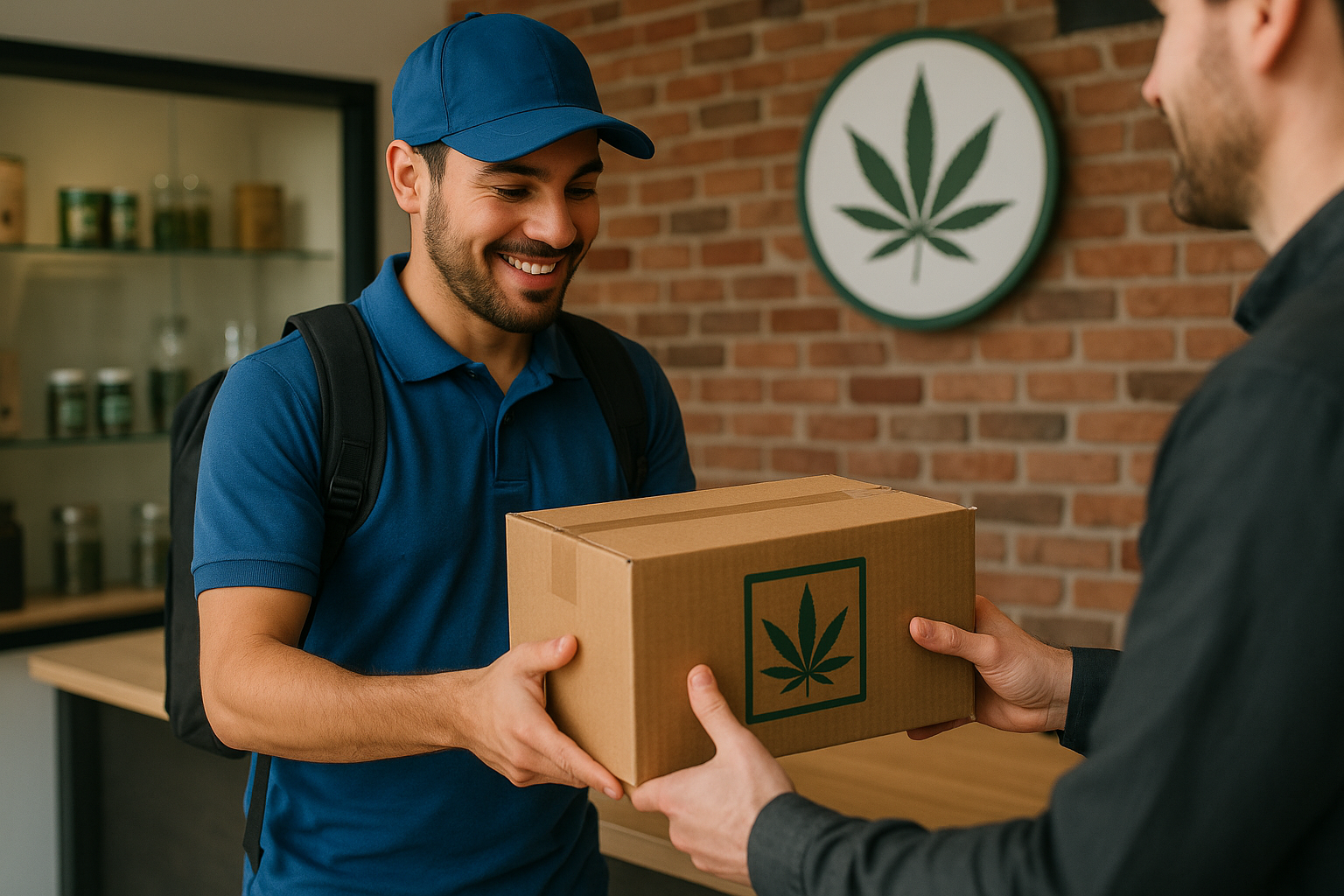
Not just about easy access, cannabis deliveries actually boost community economies too. Workers find jobs in shipping, help desks, rule-following oversight, and even tech design. Often, those positions stay close to home, helping nearby job markets instead of big corporate centers.
Fewer shops mean less hassle getting into the game. Oversight stays intact even when operations shift away from big store networks. Small players find it easier to join when they are not stuck paying for a dozen locations. Spreading out services cuts expenses, yet rules remain in place. Entry widens once physical space stops being a gatekeeper.
Delivery services show one way that tightly controlled sectors might fit within neighborhoods while keeping familiar surroundings mostly unchanged. How a city grows is tied closely to such small-scale shifts behind everyday conveniences.
Privacy, Discretion, and Social Context
Despite increasing normalisation, cannabis use remains a personal choice influenced by social and cultural factors. Many consumers value discretion, particularly in close-knit communities where privacy is highly regarded.
Delivery services offer an alternative to in-store purchasing, allowing individuals to receive products in a way that aligns with their comfort levels. This emphasis on privacy mirrors trends in other sectors, such as online healthcare consultations and home delivery of sensitive products.
Importantly, discretion does not imply secrecy; rather, it reflects evolving expectations around consumer autonomy and choice.

Environmental and Logistical Challenges
Starting with cars on roads, every trip delivering cannabis adds up. Because of constant driving, fumes build in the air over time. Packaging piles up too, especially when each order gets wrapped separately. Since routes aren’t always smart, extra miles get driven. These things keep coming back in talks about long-term harm.
Out past the city edges, trips stretch out, making deliveries trickier to coordinate. To keep emissions low and arrivals on time, timing and paths need careful thought. Much like how meals or packages get dropped off, moving cannabis faces identical hurdles. That common ground shows it fits right into the wider delivery network.
Finding a middle ground between ease of use and planet-friendly habits keeps drawing attention from officials plus those who study systems. Delivery fields everywhere face this steady push to adapt.
Public Health and Responsible Access
Nowadays, how we handle cannabis ties closely to public well-being. To keep young people from getting it too easily, delivery firms follow clear guidelines. One way they do this is through ID checks before handing anything over. There are caps on how much someone can buy at once, this helps avoid misuse. Alongside that, buyers often need to review basic facts about safe usage. Each rule fits into a bigger plan meant to balance access with caution.
Now, researchers are looking at how ways of getting things affect buying habits. When rules keep delivery services in check, these setups can encourage careful usage, offering clear records and orders instead of backdoor deals.
Even as ways of delivering services change, public schooling still matters just as much as policies built on solid proof. Though methods shift over time, learning stays central when decisions rely on real data instead. Because systems adapt, staying informed helps keep priorities grounded in what actually works out loud. As approaches transform, trust grows where facts guide choices alongside open access to knowledge.
The Future of Cannabis Delivery in Suburban Communities
As suburban populations grow and diversify, delivery services are likely to become even more integrated into daily life. Cannabis delivery by gasdank.com represents one example of how regulated markets adapt to changing demographics, technology, and consumer expectations.
Future developments may include enhanced regulatory clarity, improved sustainability measures, and deeper integration with digital governance systems. These changes will shape how delivery services function and how communities perceive them.
Cars rolling up with cannabis show more than just supply chains shifting. When tech steps in, rules shift slowly behind, money moves differently, people start choosing from couches instead of stores – this isn’t just buying weed, it’s how shopping itself changes shape. From phones to doorbells, habits bend around speed, silence, and convenience; laws scramble to catch up while wallets adapt faster than lawmakers expect. What looks like an app solving one small problem actually nudges entire systems into new patterns.
Beyond speed and reach, how goods move shapes who benefits. Thoughtful talk must shape the rules guiding it. When systems shift, fairness cannot lag. Outcomes should reflect shared priorities, not just convenience. Progress without guardrails risks leaving trust behind