
Greg “Chemdog” Krzanowski
Some of the most important moments in cannabis history didn’t happen inside a laboratory, a commercial grow facility, or a multimillion-dollar dispensary.
One of them happened in a Grateful Dead parking lot in Indiana in 1991, where a young cannabis enthusiast named Greg Krzanowski encountered a batch of marijuana that would eventually influence modern cannabis genetics.
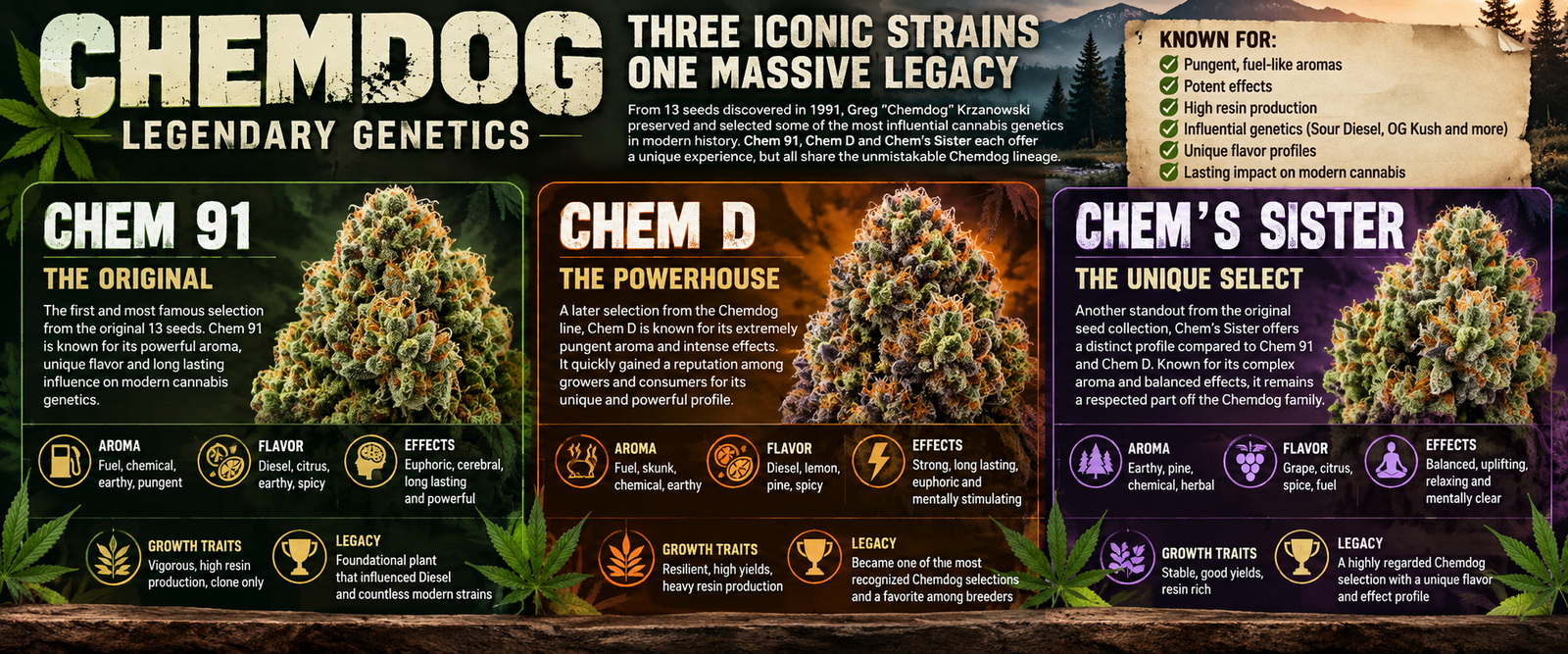
Better known today as Chemdog, Greg became one of the most influential figures in the history of American cannabis cultivation. What started with an unusually good bag of flower and 13 unexpected seeds developed into one of the most recognizable genetic families in the industry. Chem 91, Chem’s Sister, Chem D, and other related selections helped shape generations of cannabis breeding, influencing the development of Diesel varieties and numerous modern hybrids.
Greg’s story is about much more than discovering a popular strain. It’s about preserving rare genetics during prohibition, sharing valuable plants with other cultivators, surviving serious legal consequences, and eventually bringing decades of underground growing experience into the regulated cannabis industry. His contributions are documented in the Greg “Chemdog” Krzanowski biography at The Strain Brain, which explores his role in cannabis history and genetics preservation.
Who Is Greg “Chemdog” Krzanowski?
Greg Krzanowski grew up in western Massachusetts, where he developed an interest in cannabis during his teenage years. Like many enthusiasts of his generation, his introduction to exceptional marijuana was closely connected to music, particularly the Grateful Dead touring community. During the late 1980s and early 1990s, Grateful Dead concerts brought together people from across the country who exchanged music, handmade goods, cannabis, and occasionally rare genetics. The parking lot scene surrounding these concerts became an important underground meeting place for people interested in cannabis culture.
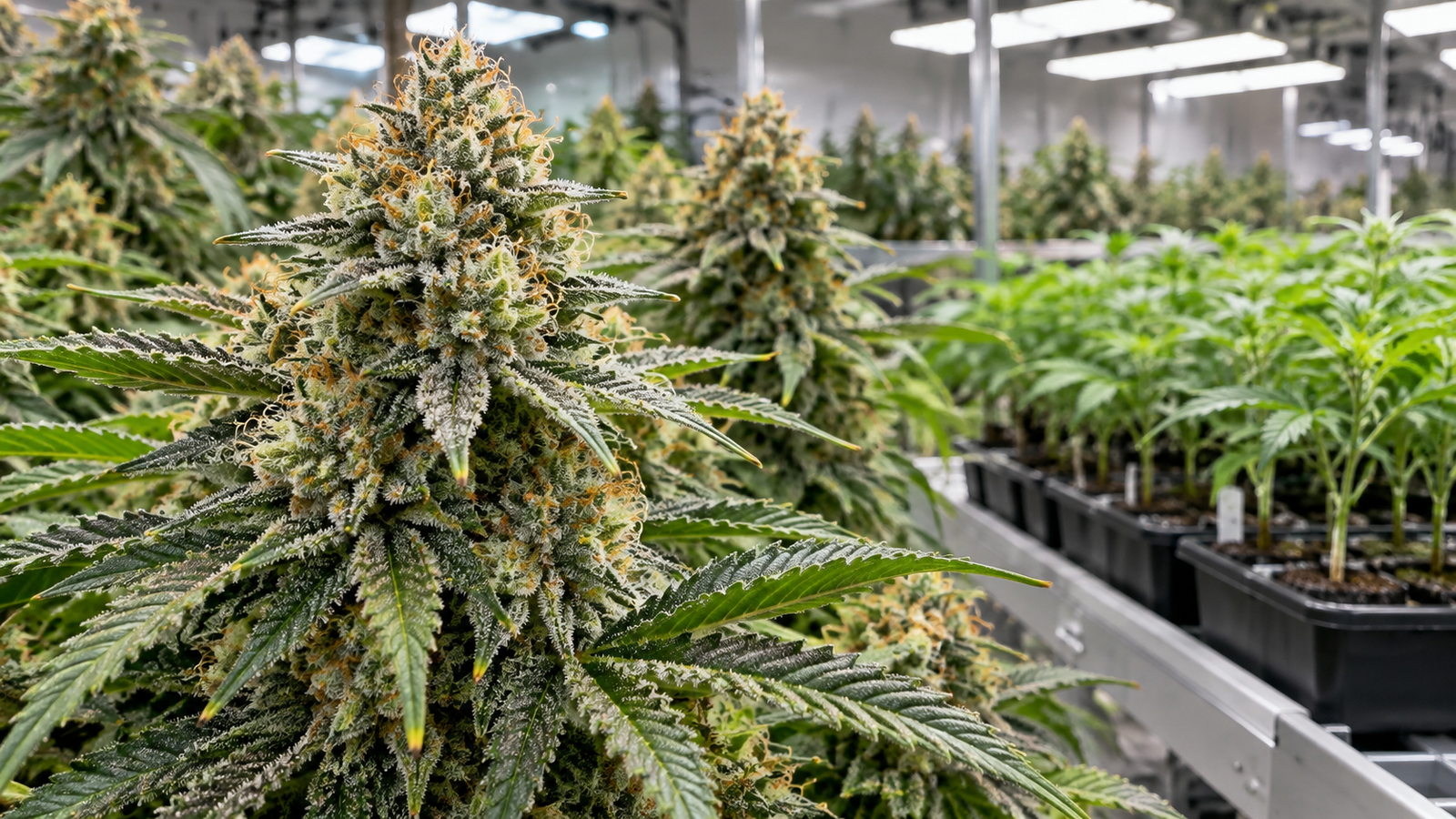
Greg attended his first Grateful Dead concert in 1989, but it was a show two years later that would change his life. In June 1991, while attending a concert at Deer Creek Music Center in Noblesville, Indiana, he encountered two men from Colorado known as Joe Brand and P-Bud.
They had cannabis commonly called Dogbud, which had also earned the nickname Chem Weed because of its unusually sharp, chemical-like aroma. Greg was immediately impressed by the flower’s quality and wanted more of it.
After returning home to Massachusetts, Greg maintained contact with the men and arranged to purchase additional cannabis from the same source. According to historical accounts, he paid approximately $500 for an ounce, an extraordinary amount of money for marijuana at the time. Inside that ounce were 13 seeds, and those seeds would become the foundation of his legacy. As documented in High Times’ historical feature 25 Years of Chem Dog, this unlikely sequence of events marked the beginning of one of the most important stories in modern cannabis breeding.
How 13 Seeds Led to the Legendary Chem 91
Back in Massachusetts, Greg decided to germinate four of the original seeds in 1991. The plants produced several different selections, including one that became known as Chem 91, named after the year it was grown. Another selection became known as Chem’s Sister, while other early plants were not preserved in the same way.
Chem 91 stood out for its intense aroma, unusual flavor, resin production, and flower quality, which separated it from much of the marijuana circulating in the early 1990s.
What made Chem 91 especially important was Greg’s decision to preserve the plant through cloning. Rather than relying on additional seeds to produce similar plants, he maintained cuttings from the original selection, allowing its genetic identity to survive through successive generations of cultivation.
In an era when commercial cannabis genetic preservation was practically nonexistent, maintaining a valuable clone required dedication, consistency, and trusted relationships with other growers.
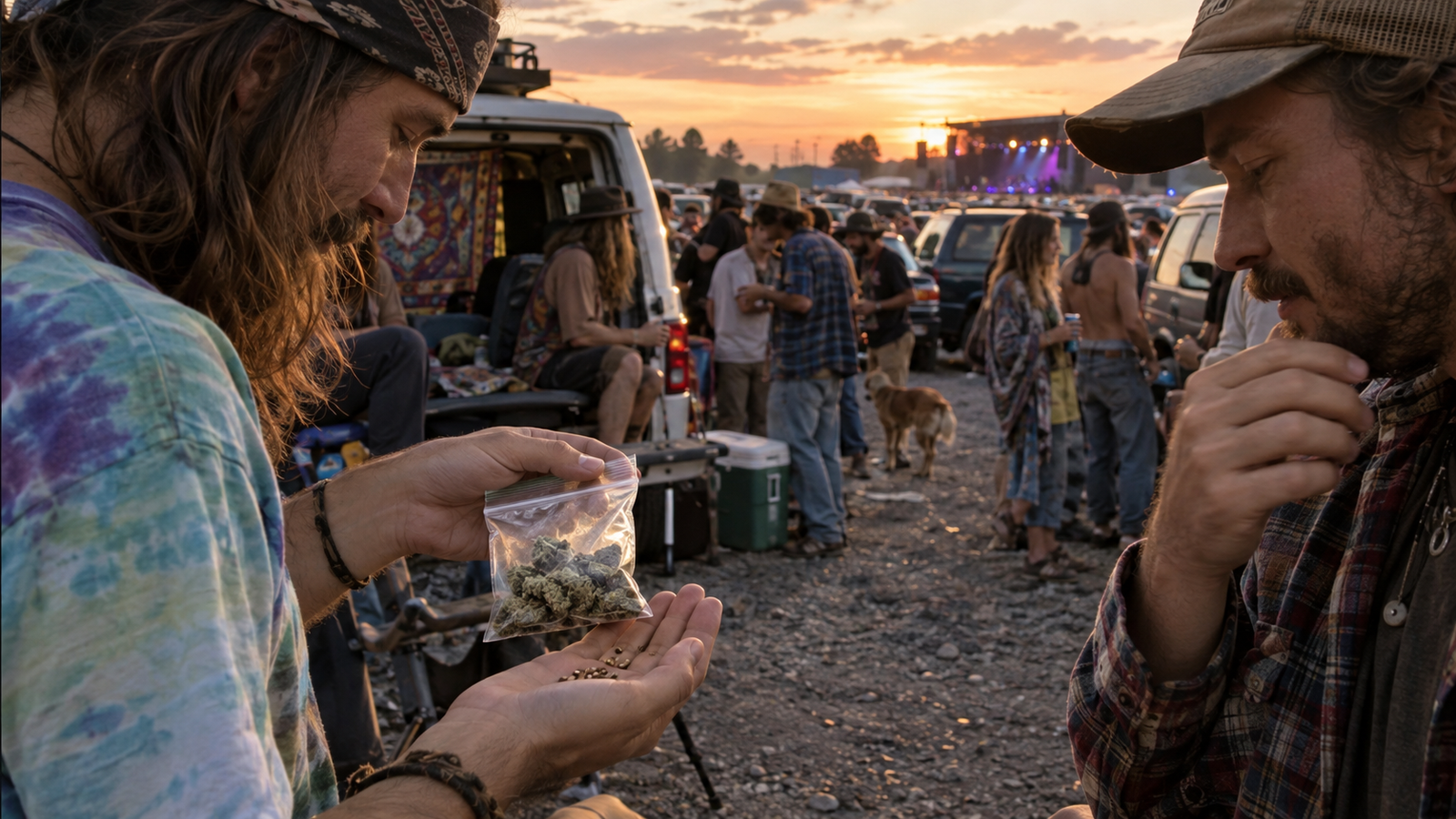
Chem 91 eventually developed a reputation for its pungent fuel-like aroma, earthy undertones, and distinctive chemical character. These qualities would later become associated with an entire generation of popular cannabis varieties. The plant also helped demonstrate how a single exceptional selection could influence breeding programs far beyond the original grower’s operation.
For enthusiasts interested in the genetic history of cannabis, the Strain Brain cannabis strain registry provides additional information about important original cultivars and their relationships to later varieties. Chem 91 is particularly significant because its history connects to a specific cultivation event in 1991, even though the exact parentage of the original seeds remains uncertain.
Chem D, Chem’s Sister, and the Expanding Chemdog Family
Although Chem 91 became the most famous of Greg’s early selections, it was far from the only important plant associated with the original seeds. He continued experimenting with the remaining genetics over the following years, eventually identifying additional cultivars that would earn their own reputations among growers and consumers. One of the most important was Chem D, which emerged from seeds germinated around 2001 and became known for its particularly pungent aroma and distinctive flower characteristics.
Chem’s Sister and Chem #4 also became recognizable names within the broader family. These selections contributed to the growing reputation of Chemdog genetics and encouraged other breeders to experiment with the plants. Over time, however, the popularity of the name created confusion about which strains were original Greg Krzanowski selections and which were later crosses developed by unrelated breeders.

That distinction is particularly important today because the cannabis industry frequently uses familiar strain names to market new products. A variety carrying the Chemdog name is not automatically an original Chem 91 clone, nor does every Chem-related strain have a clearly documented family tree. Some are authentic descendants, others are later hybrids, and some have disputed origins. As we’ve discussed in USA Weed’s article on why cannabis strain history gets so messy, years of underground breeding, informal naming practices, and missing records have made cannabis genealogy much more complicated than consumers might expect.
How Chemdog Influenced Sour Diesel, OG Kush, and Modern Cannabis
One of Greg Krzanowski’s greatest contributions was the influence his genetics had beyond his own cultivation projects. During the 1990s, Chem-related plants began circulating among growers and breeders, particularly in the northeastern United States. These genetics became connected to the development of the Diesel family, which would eventually become one of the most recognizable groups of cannabis varieties in American culture.
Sour Diesel is among the most famous strains associated with Chemdog’s genetic legacy. Historical accounts connect Chem 91 to early Diesel breeding projects in New York, although the exact breeding circumstances remain disputed. Regardless of the unresolved details, the relationship between the Chem and Diesel families played an important role in the development of the pungent, fuel-forward cannabis varieties that became especially popular on the East Coast. The influence of those genetics extended well beyond New York as growers continued exchanging clones and developing new combinations.
OG Kush is another legendary cultivar frequently discussed alongside Chemdog, although its relationship to the original Chem genetics remains debated. Some accounts suggest a direct connection, while others point toward shared genetic ancestry or separate breeding histories.
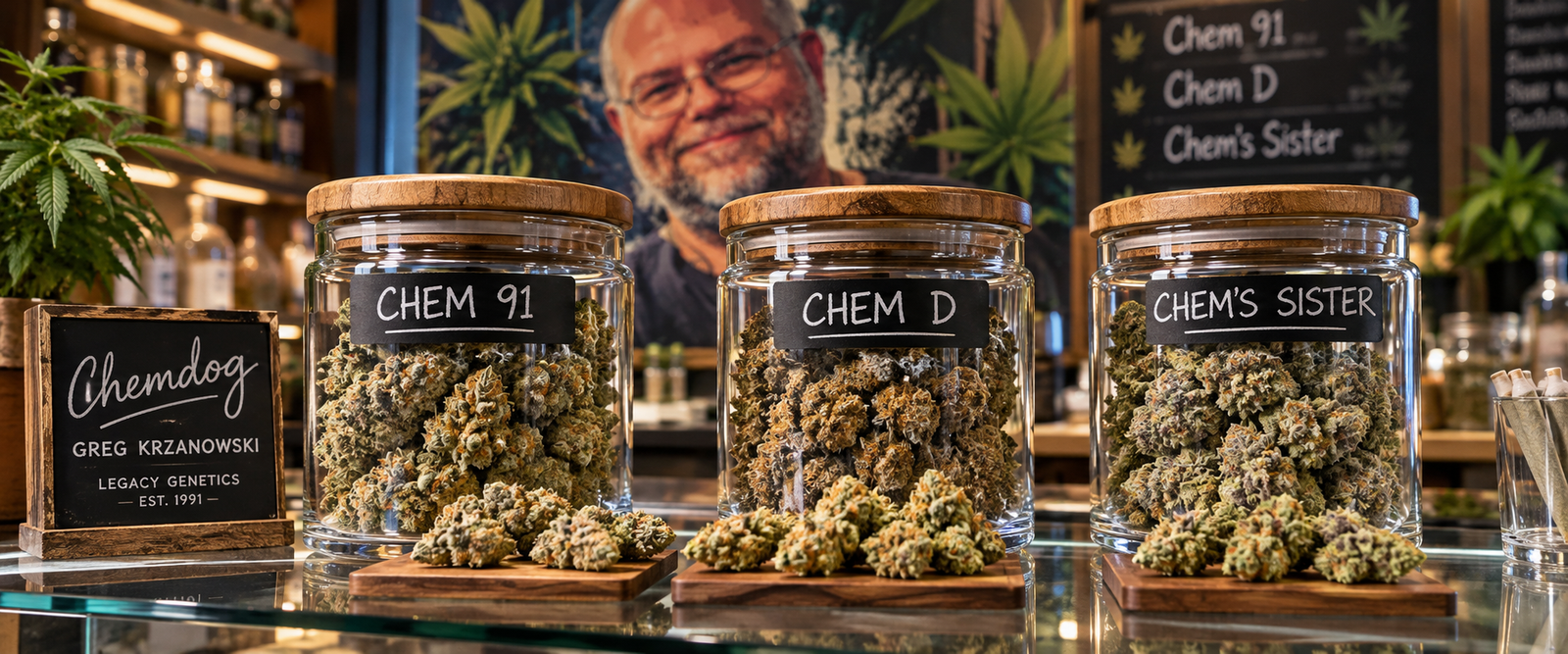
Greg has questioned certain claims about OG Kush being a direct descendant of his original selections, making it important not to present the relationship as established fact. What is undeniable is that Chem 91, Sour Diesel, and OG Kush became enormously influential names during the development of modern American cannabis culture.
The Chemdog family also influenced later projects associated with Stardawg, GMO, Tres Dawg, and numerous other Chem-related crosses. These varieties were developed by different breeders who used genetics connected to the broader family, demonstrating how preserved plants can continue contributing to new generations of cannabis.
In a High Times interview with Top Dawg Seeds, the breeder discussed the importance of Chem 91 and related genetics to the development of influential New York cannabis varieties. It’s an excellent example of how Greg’s early preservation work helped provide material for other breeders to build upon.
Preserving Rare Genetics During Cannabis Prohibition
Today, licensed cannabis companies operate sophisticated cultivation facilities with laboratory testing, environmental controls, and professional genetic preservation programs. The situation was dramatically different when Greg began growing Chem 91. Throughout the early 1990s, cannabis cultivation remained illegal in Massachusetts and most of the United States, exposing growers to criminal prosecution, property seizures, and potentially lengthy prison sentences. Cultivators often operated in secret, relying on small indoor setups and trusted personal relationships to maintain their plants.
Those conditions made the preservation of valuable cannabis genetics difficult. A police raid, equipment failure, relocation, or lost mother plant could permanently eliminate years of cultivation work. Because cannabis seeds do not reliably reproduce the exact characteristics of a selected clone, losing an original plant could mean losing that particular genetic selection forever. By maintaining Chem 91 and sharing copies with trusted growers, Greg helped protect a plant that might otherwise have disappeared.
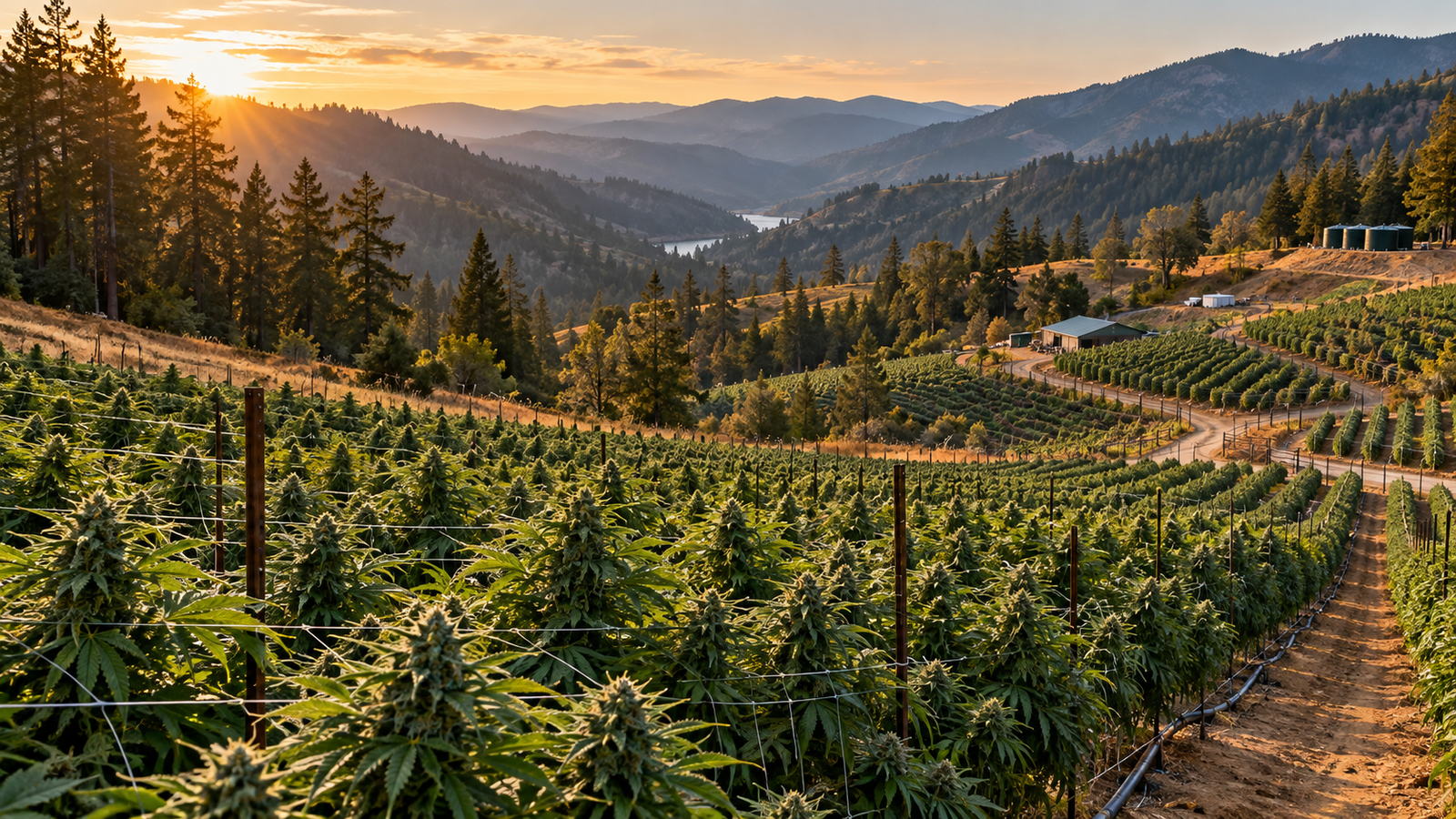
This informal system of genetic preservation was an important part of the underground cannabis industry. Growers exchanged cuttings, shared cultivation knowledge, and maintained backup plants for one another, sometimes across state lines. These relationships allowed important genetics to survive long before commercial cannabis businesses were permitted to operate legally.
Greg’s experience reflects a much broader chapter of American cannabis history. Similar networks developed in California, Oregon, Colorado, and other regions where underground growers spent decades protecting and developing cannabis varieties. USA Weed explores some of that history in our feature on California’s Emerald Triangle and its cannabis heritage, another example of how prohibition-era cultivators helped establish the foundations of today’s industry.
Chemdog’s 2011 Arrest and the Consequences of Prohibition
Despite his influence on cannabis cultivation, Greg’s work eventually brought serious legal consequences. In August 2011, Massachusetts law enforcement searched properties connected to his cultivation operation, seizing cannabis plants, harvested flower, and other property. He faced multiple criminal charges related to the operation, placing his personal freedom and financial stability at risk after years of preserving genetics that had become increasingly valuable within the underground cannabis community.

Greg eventually entered a plea agreement, and in January 2013 he received a sentence that included probation, financial penalties, and substantial asset forfeiture. His situation illustrated the contradiction that would become increasingly apparent as states began legalizing cannabis. Individuals whose knowledge and genetics helped establish the industry’s foundation were still being prosecuted for activities that would later become legal for licensed businesses.
The raid and its consequences became an important chapter in the Chemdog story, demonstrating the personal risks faced by cultivators during prohibition. Greg was far from the only grower who experienced these hardships, but his prominence within cannabis culture made his case particularly notable. A detailed account of his legal troubles and later career appears in Leaf Magazine’s Cannthropology: Chemdog, which examines his life and influence on American cannabis.
From Underground Grower to the Legal Cannabis Industry
Massachusetts voters approved adult-use cannabis legalization in 2016, creating opportunities for experienced cultivators to participate in a regulated marketplace. For Greg Krzanowski, the changing legal environment offered a chance to apply decades of cultivation experience within a professional cannabis business. He eventually became involved with CannaProvisions and its Smash Hits cannabis line, bringing his knowledge of classic genetics and cultivation practices into the licensed industry.
His work helped connect original Chemdog selections with modern cultivation methods and commercial production. Rather than treating older cannabis varieties as forgotten pieces of history, these projects introduced legacy genetics to a new generation of adult consumers. The transition also demonstrated the practical value of the experience accumulated by growers who had spent years operating outside the legal marketplace.
In a 2023 interview with Bask Cannabis, Greg discussed his approach to cultivation, the influence of the Grateful Dead community, and his experiences working in Massachusetts. The interview provides a firsthand perspective on the development of his career and the changing relationship between underground cannabis culture and legal businesses.
His story also raises an important question about recognition within the modern cannabis industry. As large companies continue investing in new cultivation facilities, branding, and proprietary strains, the contributions of earlier growers can sometimes be overlooked. People like Greg helped develop and preserve many of the genetics that made today’s commercial cannabis marketplace possible, often without the financial resources or legal protections now available to established businesses.
Why Original Cannabis Genetics Still Matter
The cannabis industry has expanded dramatically since Greg discovered those original 13 seeds. Consumers can now choose from thousands of named cultivars, while breeders regularly introduce new hybrids promising distinctive aromas, flavors, and growing characteristics. Although this variety has created exciting opportunities, it has also made identifying authentic genetics more complicated.
When a particular strain becomes popular, its name often spreads faster than the original plant. Growers may sell seeds under a recognizable name without reproducing the same genetics, while other breeders develop new crosses that borrow elements of established branding. Over time, consumers can encounter several products carrying the same strain name even though their actual genetic backgrounds are different.
This is one reason preserving original clone-only varieties remains important. A properly maintained Chem 91 clone provides a direct genetic connection to the selection Greg identified in 1991, offering growers and researchers a valuable historical reference. It also allows breeders to work with documented plant material rather than relying entirely on strain names or uncertain breeding stories.
Cannabis classification is another area where consumers can encounter misleading information. Familiar categories such as indica and sativa are commonly used to describe products, but they do not provide a complete picture of a cultivar’s genetic history. Our guide to sativa, indica, and ruderalis explains these traditional classifications and why understanding cannabis involves more than recognizing a label.
For serious cannabis enthusiasts, knowing who selected a cultivar, where its genetic material originated, and how it was preserved provides valuable historical context. This information helps distinguish authentic legacy genetics from products that simply borrow a famous name.
The Mystery Behind the Original Chemdog Genetics
Despite decades of attention, one of the most interesting questions surrounding Chemdog remains unanswered: Where did the original Dogbud genetics actually come from? Historical accounts connect the flower to Colorado and possibly growers working with genetics from the Pacific Northwest, but the precise parentage has never been conclusively established.
Various theories have suggested connections to Northern Lights, Skunk, Afghan varieties, and other older cannabis lines. However, those possibilities should not be confused with verified breeding records. Because the original Dogbud existed before Greg obtained his seeds, he cannot accurately be credited with creating the unidentified cross that produced them. His contribution was recognizing the potential of those seeds, selecting exceptional plants, preserving their genetics, and distributing them to other growers.
The uncertainty surrounding the original parentage illustrates how much cannabis history was preserved through personal recollections and informal relationships instead of laboratory records or detailed breeding documentation. During prohibition, growers often avoided keeping records that could expose them to criminal prosecution. As a result, many influential cannabis varieties have histories that combine firsthand testimony, community traditions, and unresolved questions.
For anyone interested in exploring those relationships further, The Strain Brain documents historical cultivars, breeders, and cannabis family trees while examining the evidence behind disputed genetics. Resources like this are especially valuable as the industry grows and information about older varieties becomes more difficult to separate from marketing claims.
Greg Chemdog Krzanowski’s Lasting Legacy
Greg Krzanowski’s contribution to cannabis goes well beyond creating a recognizable strain name. His work demonstrates how individual growers helped shape the industry through careful selection, preservation, and collaboration, often without the financial resources or legal protections available today. Chem 91 survived because Greg recognized its value and dedicated himself to maintaining it, while other growers helped protect and distribute the genetics over the following decades.
His story is also a reminder that the modern cannabis industry did not begin when states started issuing business licenses. Much of its foundation was developed by people cultivating plants in basements, closets, spare rooms, and hidden growing operations. These growers exchanged genetics, experimented with breeding techniques, and built networks that allowed exceptional plants to survive despite the risks of prohibition.
The Chemdog family stands as one of the clearest examples of that legacy. What began as 13 seeds from an unknown source eventually influenced some of America’s most recognizable cannabis cultivars, including major branches of the Diesel family and countless modern hybrids. Although many breeders contributed to those developments, Greg’s role in discovering and preserving the original selections remains central to the story.
More than three decades after that Grateful Dead concert in Indiana, Chem 91 continues to hold a special place in cannabis history. Greg’s journey from enthusiastic concertgoer to underground cultivator, genetics preservationist, and legal cannabis professional reflects the dramatic transformation of American cannabis culture.
For a closer examination of his life and contributions, visit Greg “Chemdog” Krzanowski’s historical profile at The Strain Brain. You can also explore the site’s extensive cannabis genetics archive to learn how original cultivars influenced the varieties available today.
Final Thoughts
There are plenty of fascinating stories in cannabis history, but few demonstrate the importance of genetic preservation quite like Chemdog. A chance encounter at a Grateful Dead concert introduced Greg Krzanowski to an exceptional batch of cannabis, and 13 seeds gave him an opportunity that would influence the industry for decades. His dedication to selecting, protecting, and sharing those genetics helped turn an unlikely discovery into a lasting contribution to American cannabis culture.
Today, his story remains an important part of understanding where modern cannabis came from and recognizing the people who helped build the industry long before legalization. For more cannabis history, travel information, and responsible adult-use resources, visit USA Weed to discover reputable licensed dispensaries and find great, safe, lab-tested cannabis products.
You must be logged in to post a comment.