
Say it ain’t so!!!
Cannabis-infused beverages have become one of the hottest trends in the American hemp industry, but the party may be coming to an abrupt end. A major change in federal law is scheduled to take effect on December 11, 2026, threatening the future of many hemp-derived THC drinks currently sold in liquor stores, convenience stores, and mainstream retail locations across the United States.
What makes this situation particularly interesting is how quickly the industry has grown. Just a few months ago, USA Weed reported on how hemp-derived THC drinks were expanding into major retail stores, including Target’s expansion into the cannabis beverage market. Now, manufacturers and retailers are facing the possibility that many of those same products could lose their federally legal hemp status before the end of the year.

For consumers who have traded their evening beer for a cannabis seltzer, the changes could mean fewer choices on store shelves. For the companies that have invested millions of dollars developing, marketing, and distributing these beverages, the stakes are considerably higher. The approaching federal restrictions could fundamentally reshape an industry that was only beginning to establish itself in mainstream American retail.

How THC Drinks Became So Popular
Not long ago, the idea of walking into a neighborhood store and purchasing a cannabis-infused beverage would have sounded unusual in much of the country. Cannabis consumption was still largely associated with smoking flower, using vaporizers, or eating traditional edibles. Beverages existed, but they were generally found in licensed dispensaries and remained a relatively small part of the overall cannabis market.
That started changing as manufacturers developed better methods of incorporating cannabinoids into beverages. Instead of focusing on traditional cannabis products, companies began producing THC-infused sparkling waters, flavored seltzers, lemonades, teas, and canned mocktails. Many of these products looked nearly identical to the beverages consumers were already purchasing at grocery stores and liquor stores.
The appeal was simple. Adults who were curious about cannabis but uncomfortable with smoking or visiting dispensaries suddenly had a familiar alternative. A canned THC drink could fit naturally into a backyard barbecue, a social gathering, or a relaxing evening at home. Manufacturers also began offering lower-potency products containing just a few milligrams of THC, allowing consumers to choose between different strengths.
The growing interest in alternatives to alcohol helped fuel the movement. Cannabis beverage companies recognized that many adults were reconsidering their drinking habits and looking for other ways to participate in social occasions. THC drinks offered something different, and retailers noticed the opportunity. By 2026, these beverages had become an increasingly visible part of the broader adult beverage industry.
The 2018 Farm Bill Opened the Door
The foundation for the hemp-derived THC beverage industry came from the 2018 Farm Bill. That legislation removed qualifying hemp from the federal definition of marijuana and established a legal distinction based primarily on the concentration of delta-9 THC. Under the law, hemp could contain no more than 0.3% delta-9 THC by dry weight.
Although that sounds like a tiny amount, the percentage-based definition created an unusual opportunity for beverage manufacturers. Because drinks contain substantial amounts of liquid, products could include measurable milligram quantities of THC without necessarily exceeding the federal hemp threshold. Companies began developing beverages that met the statutory definition while still delivering intoxicating effects.
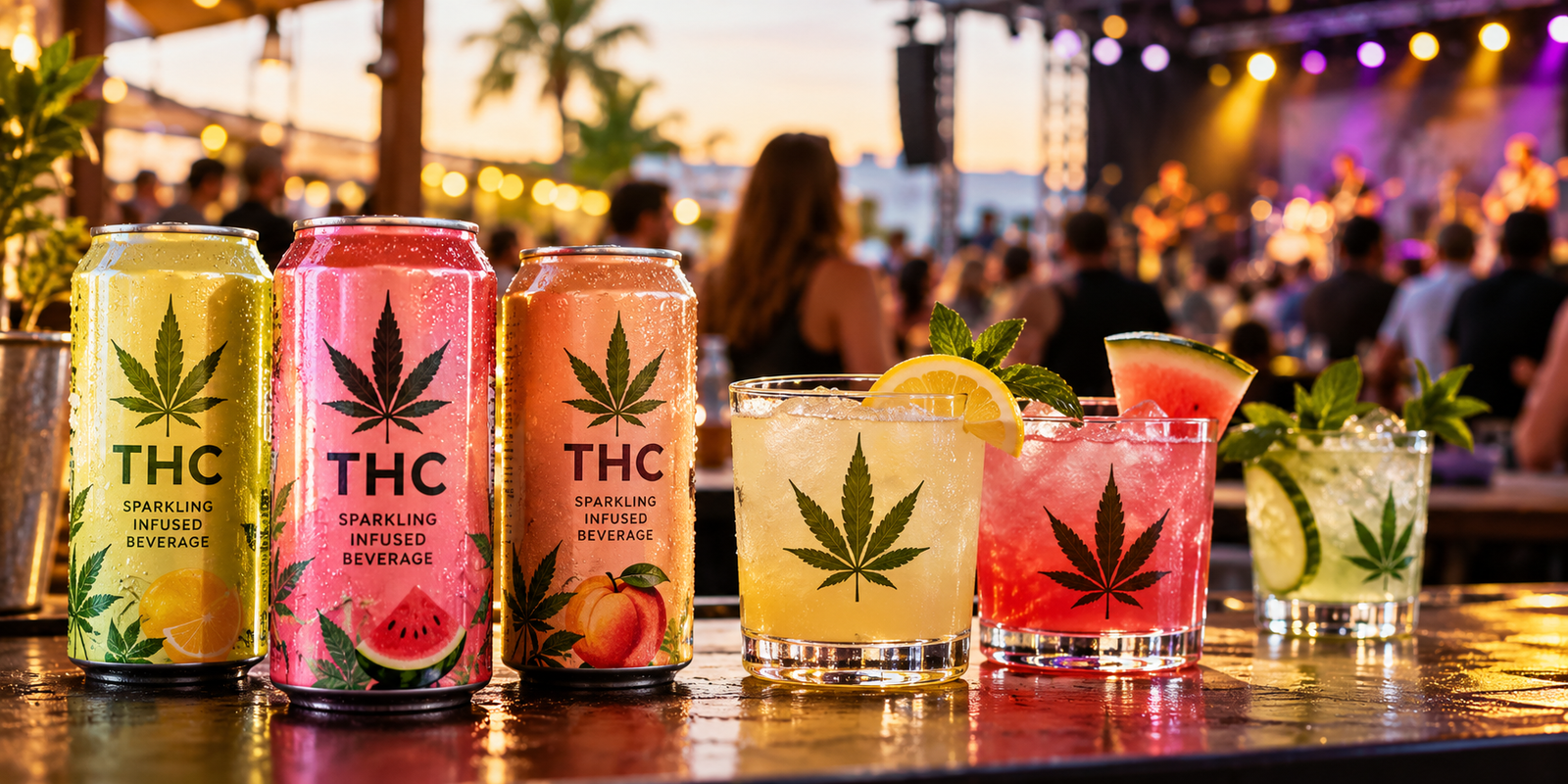
This allowed hemp-derived THC beverages to enter retail channels that were generally unavailable to traditional marijuana products. Depending on state laws, these drinks could be sold outside licensed cannabis dispensaries, including specialty stores, liquor stores, and certain mainstream retailers.
The result was an entirely new commercial market. Businesses that had never participated in the marijuana industry began selling cannabinoid products, while established cannabis companies explored opportunities beyond traditional dispensary sales. However, the legal framework remained complicated because individual states continued to establish their own restrictions on hemp-derived intoxicating products.
That complicated relationship between federal hemp law and state cannabis regulations is now at the center of the industry’s biggest challenge.
The New Federal Hemp Law Changes Everything
In November 2025, Congress approved legislation that significantly changed the federal definition of hemp. The provisions were included in a federal spending law and introduced much stricter requirements for finished products containing THC and certain other cannabinoids.
Under the new rules, finished hemp-derived cannabinoid products containing more than 0.4 milligrams of total THC and other covered cannabinoids per container will no longer qualify as hemp under federal law. That represents a dramatic change from the percentage-based definition that helped support the growth of the cannabis beverage industry.
Consider a THC seltzer containing 5 milligrams of THC. Under the previous hemp framework, that beverage might qualify as hemp depending on its formulation and compliance with applicable laws. Under the new federal threshold, the same drink would exceed the permitted amount by more than twelve times.
The legislation also expands how THC is evaluated. Instead of focusing primarily on delta-9 THC, the updated definition includes total THC, accounting for THCA, and addresses certain other cannabinoids with similar effects. It also excludes specified cannabinoids produced through chemical synthesis.
According to the Minnesota Office of Cannabis Management’s federal hemp guidance, the main changes are scheduled to take effect on December 11, 2026, unless Congress takes additional action. The deadline was originally November 12 before federal lawmakers approved a short extension. Certain restrictions involving cannabinoids that cannot naturally be produced by cannabis plants are still scheduled to begin in November.
For beverage manufacturers, the approaching deadline means major decisions must be made about product formulations, distribution agreements, and long-term business strategies.
Why the 0.4 Milligram THC Limit Is Such a Big Deal
One of the most controversial aspects of the new legislation is the extremely low amount of THC permitted in finished hemp products. Many cannabis beverages currently marketed to adults contain between 2 and 10 milligrams of THC per can, although stronger products are also available. Under the new federal definition, even products marketed as low-dose options could exceed the permitted threshold.
The distinction between a percentage-based limit and a milligram-per-container limit is especially important. The previous hemp definition considered THC concentration relative to product weight, while the new restriction places a numerical limit on the total amount of covered cannabinoids in a finished container. For manufacturers, this removes much of the flexibility that made intoxicating hemp beverages commercially viable.
The law also measures the amount per container rather than simply per serving. A beverage containing several servings cannot avoid the threshold by dividing its contents into smaller suggested portions. If the finished container exceeds the federal limit, the product falls outside the new definition of hemp.
This doesn’t mean every cannabis beverage will automatically become illegal everywhere. It does mean that many products currently distributed through the hemp marketplace will no longer qualify for the federal legal treatment they previously received.
The consequences could extend beyond beverages. Hemp-derived gummies, tinctures, and other consumable cannabinoid products may also be affected, depending on their ingredients and cannabinoid content.
Could THC Drinks Disappear From Store Shelves?
The most immediate concern for consumers is whether their favorite THC beverages will still be available after December 11. Unfortunately, the answer depends on where the product is sold, how it is manufactured, and which regulatory system applies.
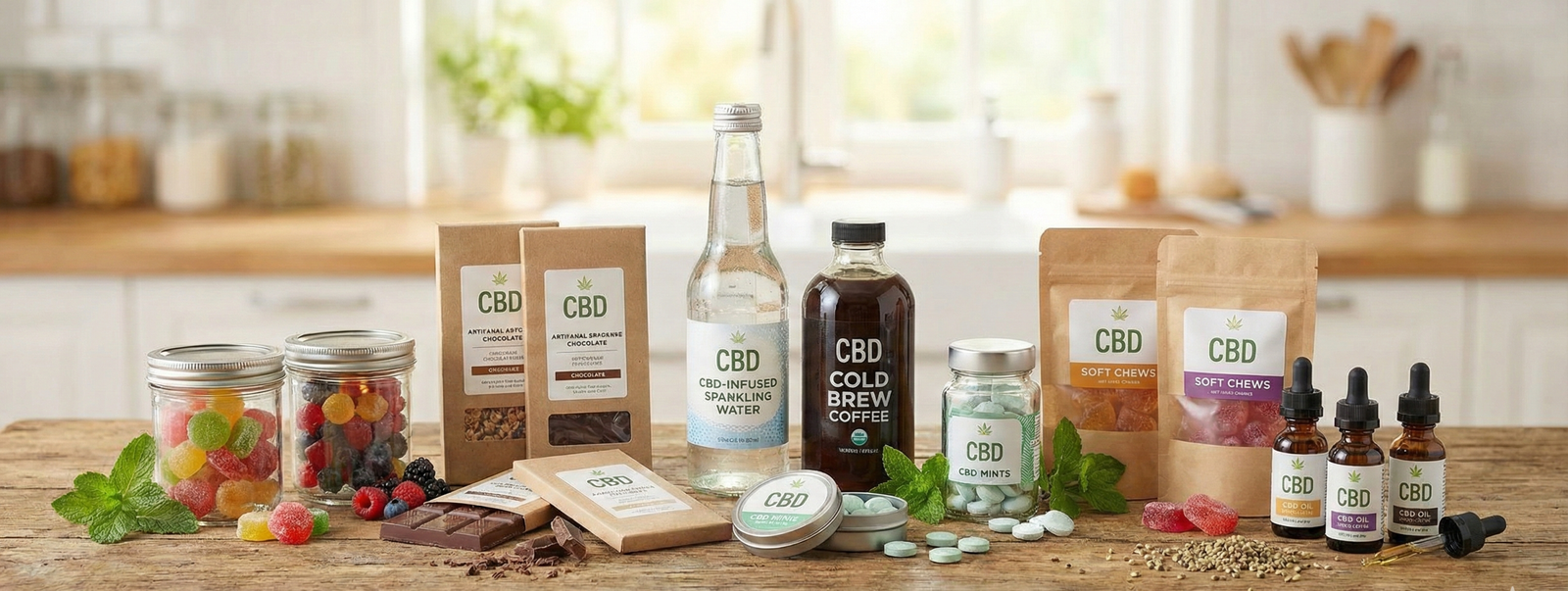
Hemp-derived THC beverages currently sold through ordinary retail channels face the greatest uncertainty. Liquor stores, convenience stores, and other businesses that rely on the federal hemp definition could find themselves unable to continue selling many existing products under the same legal framework.
Licensed marijuana dispensaries operate differently. In states where recreational cannabis sales are permitted, dispensaries may continue offering cannabis-infused beverages under applicable state marijuana regulations. These products were already treated differently from federally defined hemp, although marijuana remains subject to federal controlled-substance restrictions.
For consumers, that distinction can be confusing. A THC-infused beverage sold at a dispensary might remain available under state law, while a similar hemp-derived beverage previously sold at a neighborhood liquor store could lose its federal hemp status.
There may also be changes to the types of cannabis beverages available through dispensaries. Manufacturers that currently concentrate on hemp-derived products could explore entering state-regulated marijuana markets, although doing so would require different licensing, production standards, and distribution arrangements.
For people who enjoy cannabis edibles and infused beverages, understanding the differences between products is becoming increasingly important. USA Weed’s recent state-by-state guide to cannabis edibles provides additional information about products available in regulated recreational markets.
The Alcohol Industry Has a Stake in the Debate
The growing popularity of THC beverages has attracted considerable attention from the traditional alcohol industry. Cannabis drinks increasingly compete for the same social occasions as beer, wine, and cocktails, and some manufacturers have positioned their products specifically as alternatives to alcoholic beverages.
That overlap has created an interesting divide. Some alcohol-related businesses see cannabis beverages as a new opportunity for growth, while others support tighter restrictions on intoxicating hemp products. Retailers and distributors that have invested in THC beverages may prefer regulations that allow the category to continue operating, while other industry groups have raised concerns about inconsistent oversight and competition.
The debate also involves legitimate questions about product safety, age verification, labeling, and testing. Unlike products sold through licensed marijuana dispensaries, hemp-derived THC beverages have operated under a patchwork of state regulations. Requirements can vary significantly depending on where a product is manufactured or sold.
Supporters of stricter rules argue that intoxicating products should not be widely available without consistent regulatory safeguards. Opponents of the new federal limits believe a regulated marketplace with clear testing and age restrictions would be preferable to effectively eliminating much of the existing industry.
Both sides recognize that the cannabis beverage market has grown beyond what many lawmakers originally envisioned when hemp was legalized in 2018.
States Are Taking Different Approaches
Federal law is only part of the challenge facing cannabis beverage businesses. Individual states have developed their own regulations governing hemp-derived THC products, creating a complicated marketplace for manufacturers and consumers.
Minnesota is one of the most notable examples. The state established a regulated market for lower-potency hemp edibles and beverages, with licensing requirements and rules governing product sales. The state’s cannabis regulators have acknowledged that the upcoming federal changes could create significant challenges for businesses operating under Minnesota law.
Interestingly, Minnesota officials have explained that the revised federal hemp definition does not automatically change the state’s existing legal definition of lower-potency hemp products. However, businesses may still encounter federal issues involving interstate commerce, financial services, taxation, and other operations.
New Jersey has also adopted restrictions affecting intoxicating hemp beverages. Under state legislation and regulatory guidance, additional limitations on hemp-derived beverages containing more than 0.4 milligrams of THC per container are scheduled to take effect in November 2026.
These differences demonstrate why cannabis consumers should never assume that a product legally available in one state can automatically be purchased or transported in another. The rules governing hemp-derived cannabinoids are changing quickly, and businesses must comply with both applicable state requirements and federal law.
What Happens to the Companies Making THC Drinks?
For companies that have invested heavily in hemp-derived THC beverages, the approaching federal restrictions create substantial financial uncertainty. Many manufacturers have spent years developing products, building distribution networks, establishing relationships with retailers, and marketing their brands to adult consumers.
A change in federal classification could disrupt those investments almost overnight. Manufacturers may need to reformulate products, discontinue certain beverages, or pursue opportunities in state-licensed cannabis markets. Retailers could also face difficult decisions about inventory and existing supplier agreements.
Smaller companies may be particularly vulnerable. Unlike large corporations with substantial financial resources, independent beverage manufacturers may struggle to navigate multiple state licensing systems or establish new production facilities that meet marijuana industry requirements.
Moving into the licensed cannabis market is not as simple as changing a product label. Depending on the state, businesses may need separate manufacturing licenses, approved facilities, specialized testing, compliant packaging, and distribution relationships with licensed cannabis operators.
Some companies may choose to develop non-intoxicating hemp beverages instead, while others could reduce operations or exit the market entirely. There is also the possibility that additional federal legislation will change the requirements before the deadline arrives.
For now, companies must prepare for the law as currently written rather than assume Congress will provide another extension.
Will Consumers Turn to Licensed Dispensaries?
If many hemp-derived THC beverages disappear from ordinary retail stores, licensed cannabis dispensaries could become a more important source for consumers interested in infused drinks.
In states with legal recreational marijuana markets, dispensaries already sell various cannabis beverages alongside flower, concentrates, gummies, chocolates, and other products. Some offer low-dose options, while others carry beverages intended for more experienced consumers.
However, shopping at a dispensary involves a different experience from purchasing a beverage at a convenience store. Customers generally must meet age requirements, present identification, and follow state purchasing limits. Products are also subject to the testing, labeling, and packaging regulations established by the state’s cannabis program.
For adults who are unfamiliar with dispensaries, learning about cannabinoid content and serving sizes is an important first step. Our Cannabis Shopping 101 guide explains the basics of visiting a dispensary and understanding the different products available.
The shift toward licensed cannabis retailers could create opportunities for some businesses, but it would also limit access in states that do not permit recreational marijuana sales. Consumers in those states may have fewer legal options for purchasing intoxicating cannabis beverages if the federal hemp restrictions take effect as scheduled.
What Does This Mean for Cannabis Tourism?
The changes could also affect people who enjoy exploring cannabis-friendly destinations. Over the past several years, travelers have become accustomed to finding hemp-derived THC products in various retail settings, including some locations where recreational marijuana remains illegal.
As the federal rules change, visitors may encounter fewer hemp-derived cannabis beverages outside licensed dispensaries. Travelers heading to recreational marijuana states may still find infused beverages through regulated cannabis businesses, but purchasing and consuming those products will remain subject to local laws.
This is especially important for visitors staying at hotels, vacation rentals, and other accommodations. A destination allowing recreational marijuana sales does not necessarily permit cannabis consumption in public spaces or hotel rooms. Businesses and property owners may establish additional restrictions, and local ordinances can vary.
Transporting marijuana products between states also remains a serious legal concern. Even when traveling between two states that permit recreational cannabis, crossing state lines with marijuana can violate federal law. The changing classification of hemp-derived THC products could create additional complications for travelers who previously assumed those beverages were federally legal.
Before planning a cannabis-friendly getaway, travelers should review the top things to avoid on a cannabis vacation and familiarize themselves with the rules at their destination.
Cannabis tourism continues to grow, but responsible travel requires understanding that legalization does not mean unrestricted access or consumption.
Could Congress Reverse the Restrictions?
Although the new federal hemp restrictions are approaching, the debate in Washington is far from settled. Some lawmakers and industry organizations have called for changes to the legislation, arguing that a more comprehensive regulatory framework would better address consumer safety without eliminating much of the existing market.
Supporters of this approach believe hemp-derived cannabinoid products could be regulated through consistent national requirements for laboratory testing, age verification, ingredient disclosure, labeling, and manufacturing standards. They argue that clear rules would provide businesses with greater stability while helping consumers make informed purchasing decisions.
Other lawmakers believe the hemp industry has expanded too far beyond the original purpose of the 2018 Farm Bill. Their position is that products capable of producing intoxicating effects should not receive the same federal treatment as industrial hemp and non-intoxicating hemp products.
Congress has already demonstrated that the timeline can change by approving a short extension of the original November deadline. However, another delay or broader legislative revision is not guaranteed.
As of October 28, 2026, the main federal restrictions remain scheduled for December 11. Businesses and consumers should follow developments carefully, particularly as the deadline approaches.
What Consumers Should Know Before December
Anyone who currently purchases hemp-derived THC drinks should pay attention to changes in federal and state regulations over the coming weeks. Products that are legally sold today may not remain available through the same retail channels after the new federal requirements take effect.
Consumers should also take the time to understand exactly what they are purchasing. THC beverages can vary considerably in potency, cannabinoid composition, and serving size. Clear labeling and independent laboratory testing are important indicators of product transparency, especially when purchasing from retailers outside state-licensed cannabis programs.
It is equally important to remember that THC beverages are intoxicating cannabis products, even when they resemble ordinary sparkling waters or soft drinks. Their effects can vary depending on the individual, the amount consumed, and the formulation. Consumers should avoid combining intoxicating products with alcohol, never drive while impaired, and keep cannabis beverages away from children and pets.
The legal environment may be changing, but the fundamentals of responsible cannabis consumption remain the same. Know the product, understand the local laws, and purchase from reputable businesses that provide accurate information about what they sell.
The Future of THC Beverages Is Still Uncertain
The rise of cannabis-infused beverages represents a significant shift in American cannabis culture. What was once a relatively obscure category has developed into a recognizable market with dedicated consumers, national brands, and growing interest from established beverage companies.
The upcoming federal restrictions could dramatically reshape that market, particularly for businesses selling hemp-derived THC drinks outside state-regulated marijuana systems. However, the changes are unlikely to eliminate consumer interest in cannabis beverages altogether. Licensed cannabis markets may continue supporting infused beverage products, while future federal legislation could establish a different framework for hemp-derived cannabinoids.
The larger question is whether the United States will eventually develop a consistent system for regulating intoxicating hemp beverages or continue treating them differently depending on their source and the state in which they are sold.
For now, manufacturers are preparing for an uncertain future, retailers are evaluating their options, and consumers are wondering which products will still be available when December arrives.
One thing is clear: THC beverages have grown well beyond their original niche, and the federal government is now deciding how much room they will have in the American marketplace.
Whether that leads to a smaller, more tightly regulated industry or a completely new approach to cannabis beverages remains to be seen. In the meantime, explore USA Weed to discover cannabis-friendly destinations, reputable businesses, and safe, lab-tested cannabis products wherever legal.