
Small THCA Buds – The Tiny Treat
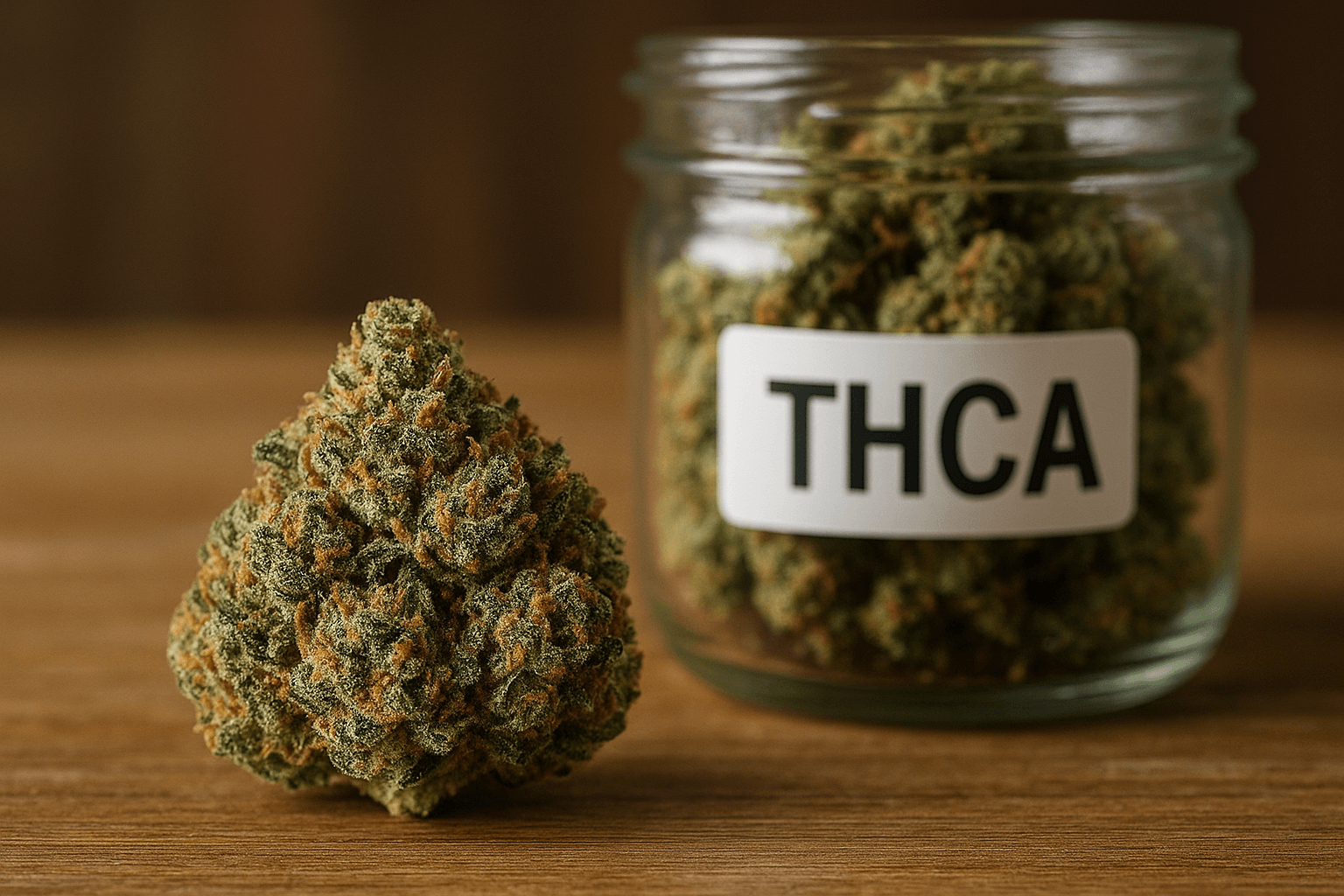
Small-sized buds of THC-A flower present a distinct subset of the hemp market, where processing techniques, quality metrics, and legal thresholds converge to define their classification and distribution. Rather than starting at the raw cultivation phase, this overview addresses how these compact flowers move from harvest through preparation, how their physical and chemical attributes are measured, and what regulatory frameworks govern their legality.
By examining these critical dimensions… processing steps, quality indicators, and compliance rules—this article aims to provide clear context for researchers and traders navigating the evolving landscape surrounding thca small buds.
Processing Methods Used For THC-A Small Buds
Hand trimming and mechanical separation
Precision trimming and separation techniques determine the overall consistency and classification of THC-A small buds during processing. Manual trimming involves the careful removal of excess leaves and stems to refine the bud structure while preserving its natural form.
In contrast, mechanical separation uses calibrated equipment to streamline large-scale processing, ensuring uniform size distribution across batches. The choice between hand and machine methods often depends on production scale, resource availability, and target specifications.
Controlled drying and humidity regulation
Environmental control during drying is one of the most critical stages in the processing of THC-A small buds. The procedure involves maintaining stable temperature and humidity levels to gradually reduce internal moisture without compromising the structural integrity of the plant material.
Airflow systems and dehumidifiers are typically employed to ensure consistent drying conditions, preventing uneven dehydration or microbial growth. Operators monitor environmental data throughout the process, adjusting parameters as needed to achieve the target moisture content.
Curing for structural stabilization
Following the drying phase, curing serves as a controlled process aimed at stabilizing the physical and chemical structure of THC-A small buds. This step involves storing the dried material in airtight containers or in a climate-controlled environment to allow for gradual internal moisture equalization.
Periodic ventilation is used to prevent excess humidity buildup while ensuring uniform stabilization across batches. Temperature and relative humidity are carefully regulated throughout the process to maintain the integrity of the material and minimize degradation risks.
Sorting and grading based on size uniformity
After curing, sorting, and grading, establish the classification standards for THC-A small buds in preparation for packaging or distribution. The process involves separating the material according to measurable characteristics such as size, density, and overall uniformity.

Automated sieving systems or manual inspection methods are used to achieve consistent categorization across production batches. Grading parameters are typically defined by industry guidelines or internal quality control protocols, ensuring that each batch meets specific dimensional and visual benchmarks.
Quality Factors That Affect THC-A Small Buds
Visual appearance and structural integrity
Evaluating the visual and structural characteristics of THC-A small buds plays a central role in determining their overall quality classification. Uniform coloration, compact structure, and minimal leaf residue indicate adherence to proper trimming and curing standards.
The physical condition of each bud, such as shape, surface texture, and trichome visibility—reflects the precision with which it was handled during processing and storage. Excessive fragmentation or compression can indicate improper drying or packaging conditions, which may impact appearance and classification outcomes.
Moisture content and storage stability
Maintaining balanced moisture levels is essential for preserving the physical quality and longevity of THC-A small buds. Excess humidity can promote material degradation, while over-drying may lead to brittleness and structural compromise.
Controlled storage environments are therefore established to regulate temperature and relative humidity, ensuring uniformity throughout the batch. Periodic monitoring using hygrometers or sealed container systems helps prevent fluctuations that could alter texture or density.
Trim precision and contaminant control
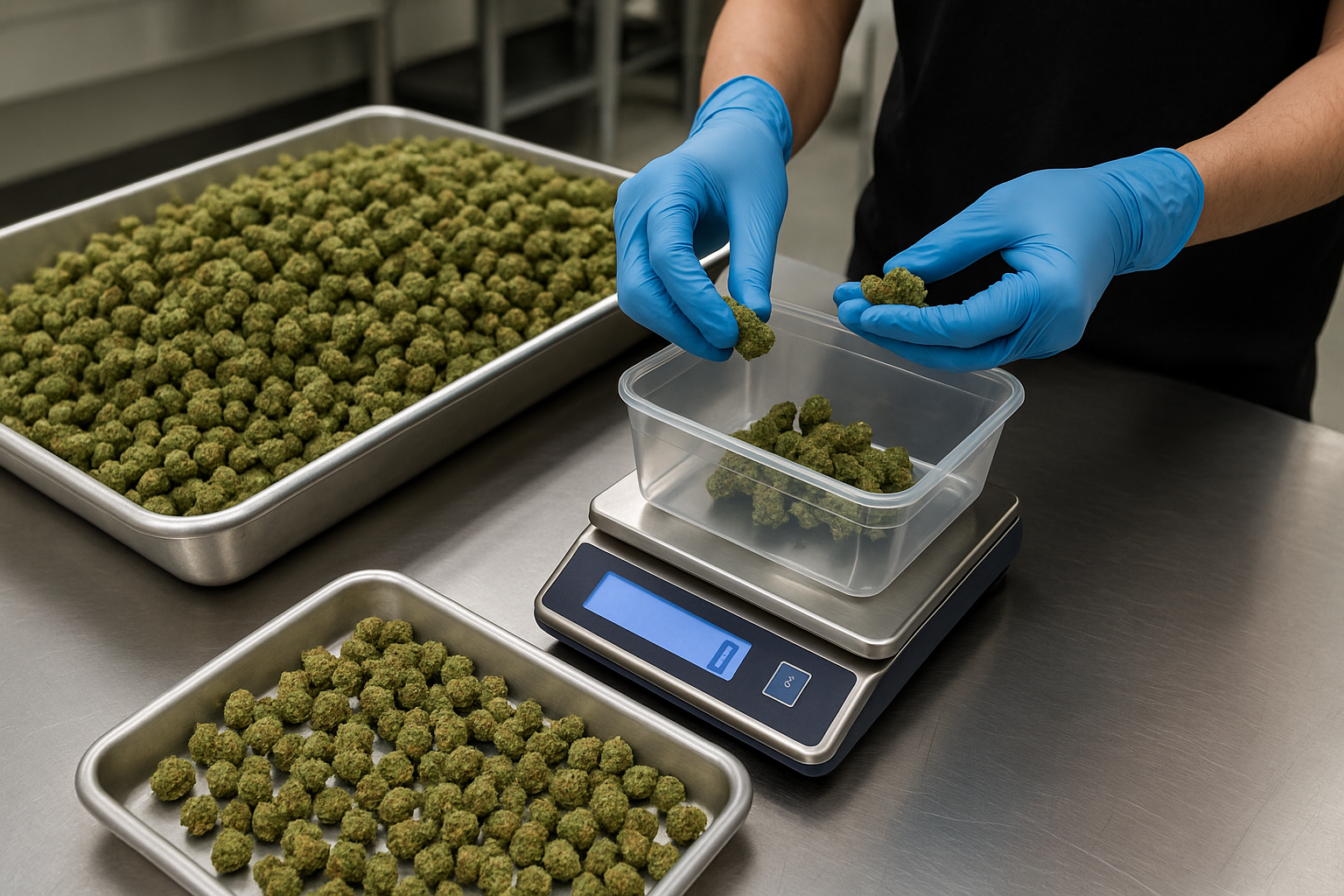
Precision trimming accuracy and contamination prevention are essential for maintaining the quality classification of THC-A in small buds. The clean removal of leaf material enhances structural definition and ensures uniformity across batches, which directly impacts grading standards.
Trimming must be conducted in sanitized environments using sterilized tools to minimize the risk of particulate or biological contaminants entering the product stream. Standard operating procedures typically mandate surface sanitation, equipment maintenance, and periodic quality checks throughout the trimming phase.
Consistency in size, color, and density
Uniformity in physical attributes is one of the defining quality indicators for THC-A small buds within regulated production and distribution systems. Size consistency ensures standardized packaging and accurate weight verification during processing and sale.
Color variation is carefully monitored, as uniform pigmentation often reflects proper drying, curing, and storage conditions. Density assessment provides insight into material compaction and structural stability, which can affect grading precision and handling efficiency. Be sure to learn how to read a Certificate of Analysis.
Legal Compliance Surrounding THC-A Small Buds
Licensing and operational authorization requirements
Authorization to produce, handle, or distribute THC-A small buds is contingent upon meeting specific licensing and operational requirements set forth by federal and state regulatory frameworks.
Entities must obtain valid permits from relevant authorities, such as the state’s cannabis control agency or agricultural department, before engaging in cultivation, processing, or sale. Each license category, covering manufacturing, retail, or transportation—requires the submission of detailed documentation, including ownership disclosures, security plans, and facility compliance records.

THC content limits and analytical verification standards
Regulatory compliance for THC-A small buds depends heavily on adherence to legally defined THC thresholds verified through standardized laboratory testing. Federal guidelines, in alignment with the 2018 Farm Bill, establish that total THC concentration, including potential conversion from THC-A—must remain within the prescribed limit for hemp classification.
Accredited laboratories conduct analytical testing using validated methods, such as high-performance liquid chromatography (HPLC), to measure cannabinoid levels accurately.
Packaging, labeling, and documentation obligations
Packaging, labeling, and documentation for THC-A small buds are governed by detailed regulations designed to ensure traceability and compliance throughout the supply chain.
Packaging materials must be tamper-evident, secure, and compliant with state-specific guidelines that prevent contamination or misrepresentation. Labels are required to display essential information such as batch numbers, weight, origin, and analytical test results, along with mandated compliance statements.
Recordkeeping, transportation, and inspection protocols
Comprehensive recordkeeping and transportation oversight are integral to maintaining legal compliance for THC-A small buds. Licensed operators must document every transaction, movement, and storage phase through approved tracking systems that align with state and federal reporting requirements.
Transportation protocols specify the use of authorized vehicles, sealed packaging, and verified manifests to ensure accountability throughout the entire transportation process, from origin to destination.
Takeaway
The production and regulation of THC-A small buds involve a structured process that integrates precision, consistency, and accountability at every stage. From post-harvest handling and controlled environmental management to standardized grading and compliance verification, each component operates within a clearly defined framework. Quality assessment relies on measurable attributes such as size uniformity, structural integrity, and moisture stability, all of which contribute to maintaining classification accuracy.