
We go over What THCA is and is not.
TL;DR: THCA flower is standard cannabis grown and handled so delta-9 THC stays below 0.3% by dry weight for compliance, while THCA stays high. When you spark it, heat converts THCA into delta-9 THC. Same molecule after combustion, same effect. The trick is timing, processing, and testing… not a magical new plant.
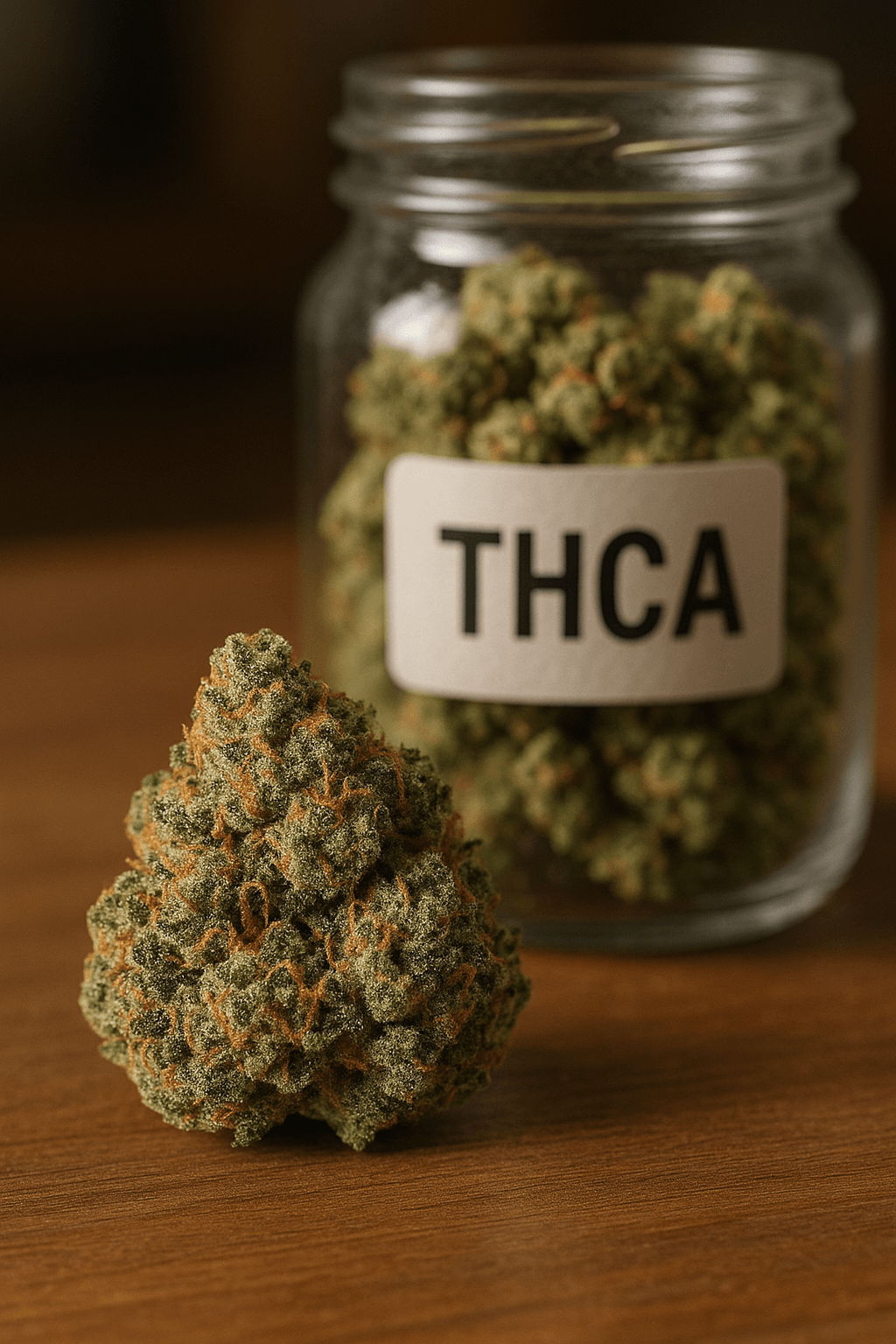
Quick Summary
- What is THCA flower? Regular cannabis kept under 0.3% delta-9 THC pre-sale, with high THCA that converts to delta-9 when heated.
- Compliance comes from harvest timing, cooler drying, faster curing, and careful storage before lab tests.
- Breeders pick phenos that stay compliant longer and decarb slower, not “THC-free” strains.
- Testing math matters: labs report delta-9 separately from THCA; only delta-9 counts for hemp legality in many places.
- Recreational flower matures longer and cures slower; THCA flower is grown with a stopwatch mindset.
What THCA Flower Actually Is
Short answer: It’s cannabis flower grown and handled to keep delta-9 THC < 0.3% by dry weight while preserving a high percentage of THCA. When you smoke it, heat converts THCA → delta-9 THC. That’s why it feels like normal weed. The legal definition lags the chemistry, and smart growers know it.
Is It Harvested Early?
- Yes, a little. Delta-9 tends to rise as flowers mature, so an earlier pull helps keep the tested delta-9 low.
- But not too early. If you cut way early, potency and terpene development suffer. It would taste like lawn clippings.
- Reality: Early harvest explains part of compliance, not 20%+ THCA by itself.
Is Delta-9 “Bred Out”?
Not exactly. Plants synthesize THCA first. Delta-9 appears after decarboxylation from heat, light, or time. Breeders select phenotypes that:
- Favor THCA dominance and naturally show less pre-harvest conversion to delta-9.
- Stay compliant longer in late flower.
- Decarb more slowly post-harvest, so lab numbers remain in range.
They’re not removing delta-9 entirely; they’re reducing how much shows up before testing. Big difference.
The Biggest Factor Most People Miss: Testing Methodology
This is where the game is played. Labs measure delta-9 THC as-is and THCA separately. In many jurisdictions, only delta-9 THC counts toward the 0.3% hemp limit prior to heating, while THCA doesn’t count until decarbed.
That’s why you see results like: delta-9 THC: 0.28% and THCA: 22.4%. Legally hemp. Practically weed.
When calculating “Total THC,” many labs and regulators use a standard formula that accounts for conversion efficiency during decarboxylation. If you want the official math, check this overview of USDA hemp testing guidance and typical lab formulas that use a 0.877 factor for THCA.
Post-Harvest Handling Matters A LOT
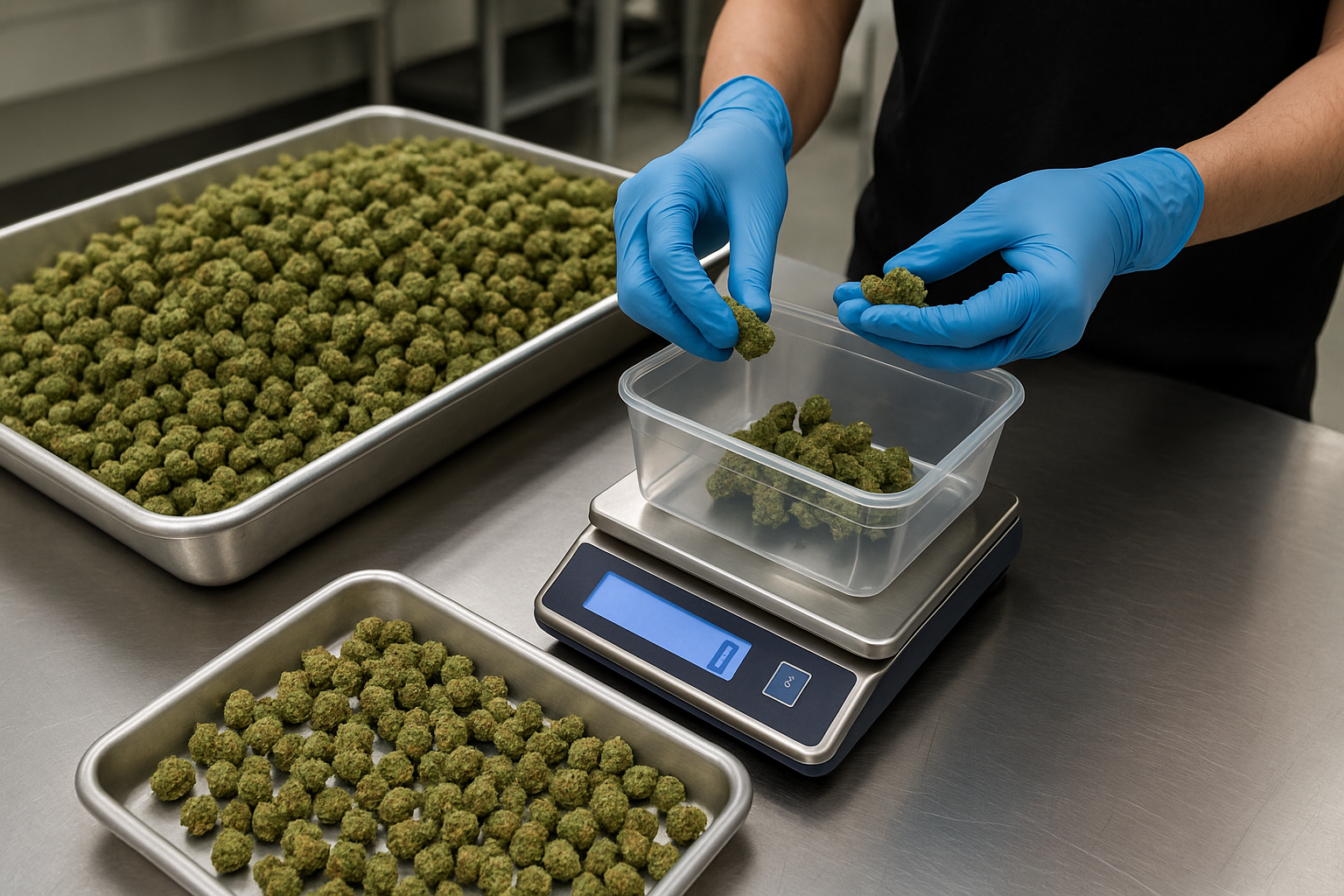
THCA flower is “chemistry on pause.” Growers and processors aim to prevent THCA from converting to delta-9 before the lab pulls samples:
- Lower-heat drying to avoid accidental decarb.
- Faster, controlled curing to limit time at warm temps.
- Minimal light exposure to protect cannabinoids and terps.
- Shorter storage so chemistry doesn’t drift before testing.
Recreational flower doesn’t worry about the 0.3% rule, so its dry/cure can prioritize flavor and smoothness over compliance clocks.
Why Recreational Flower Looks Different
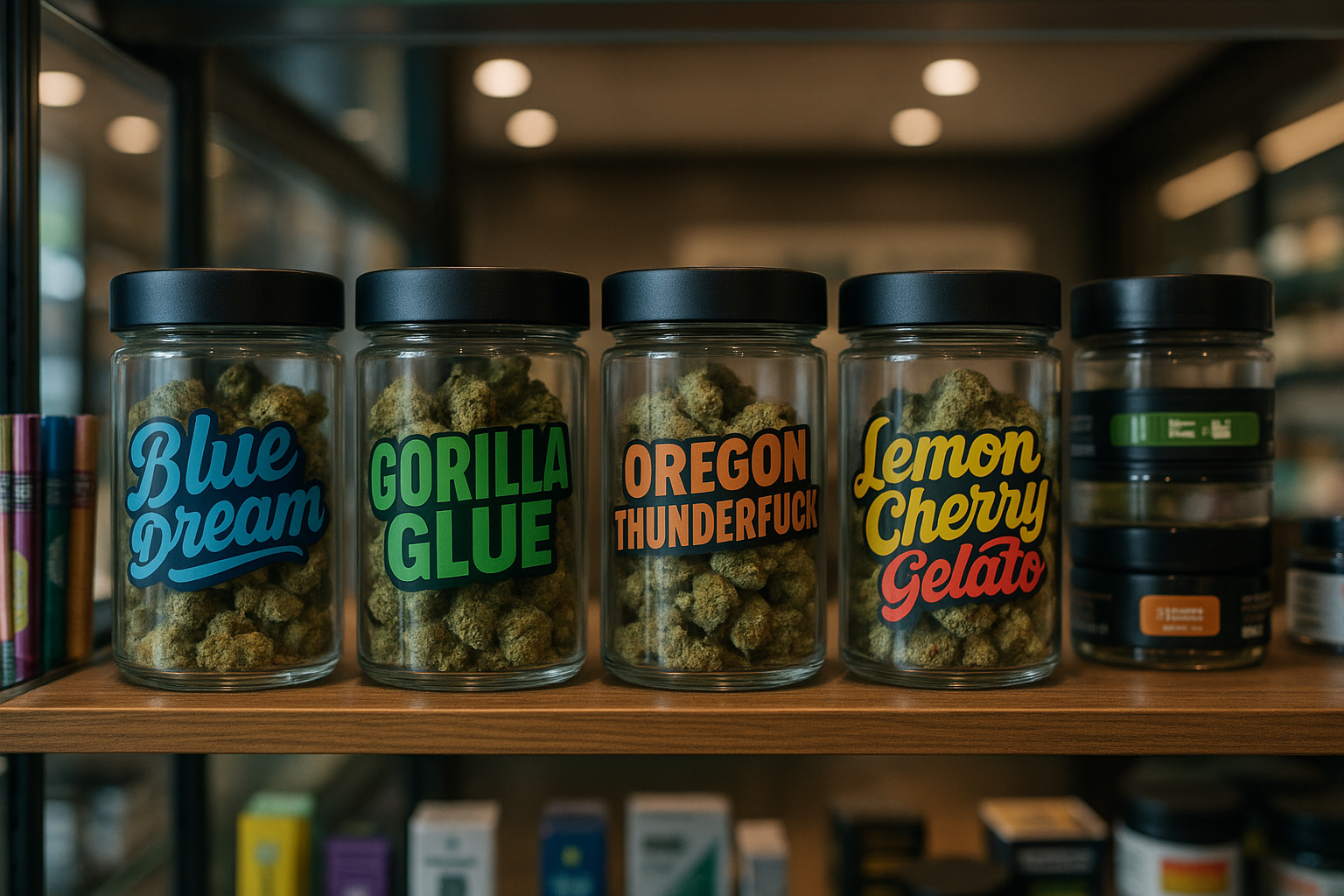
- Rec flower: Fully matured, longer cure, no delta-9 ceiling, more time to dial in bag appeal.
- THCA flower: Grown for compliance, slightly earlier chop, cooler and faster post-harvest. Numbers drive everything.
Bottom Line (Real Talk)
THCA flower isn’t fake. It’s not usually sprayed. It’s not some Frankenstein cannabinoid. It’s the same plant with the same cannabinoids that deliver the same effect when smoked. The difference is timing, handling, and lab math used to fit a legal definition. Growers treat compliance like a stopwatch: not a vibe.
Frequently Confused Things
- “High THCA means weak smoke.” Not necessarily. After you apply heat, THCA becomes delta-9. Experience depends on cultivar, terpenes, and how it was cured.
- “All THCA flower is natural.” Most is, but confirm COAs and ask about post-harvest practices. If you’re worried about additives, shop verified places.
- “Rules are the same everywhere.” Laws differ by state and city. Always check current local guidance or a state’s hemp program page like a state hemp rules index.
Where To Explore Next
- Get a deeper dive on myths vs reality in our breakdown: THCA myths and truths.
- See how 2025 rules and chatter shaped this space: The THCA controversy and industry shifts.
- Planning a trip? Compare stays that actually allow smoking on site in our 420-friendly hotels guide.
- Or just browse verified 420-friendly listings by location.
Want us to go deeper?
We can break down how labs calculate “Total THC,” how to spot sprayed vs natural THCA flower, or why some THCA buds feel weaker despite sky-high numbers. Or how to read a COA? Tell us which path you want first.
Before you roll: rules change fast. Always check local regs and buy from trusted sources. When you’re ready, explore safe, tested products and verified places right here on USAWeed.org.